
Toddler Routines

📖 Table of Contents
Toddler routines are the backbone of a calm, predictable, and nurturing environment for young children, helping them feel secure and fostering healthy development. Establishing consistent routines from an early age can significantly impact a toddler's behavior, sleep, and overall well-being. This guide will explore the essential components of toddler routines, including bedtime, daily schedules, morning rituals, and tools like the Lovevery Toddler kit and routine charts.
Whether you're a first-time parent or looking to refine your toddler's routine, understanding the structure and purpose of each part of the day can make a world of difference. A well-planned routine helps toddlers transition smoothly between activities, supports emotional regulation, and builds a foundation for lifelong habits. It also gives parents peace of mind, knowing their child is in a safe and structured environment.
In this comprehensive hub on toddler routines, we'll break down the key elements of a successful routine, including practical tips for creating a bedtime routine, building a daily schedule, and using tools like the Lovevery Toddler kit and routine charts. By the end of this guide, you'll have a clear roadmap for nurturing your toddler's development through consistency and care. Start with toddler routines ideas or diy toddler daily routines.
Key Takeaways
- Consistent toddler routines support emotional and developmental growth.
- A well-structured bedtime routine improves sleep quality and behavior.
- Daily schedules help toddlers develop a sense of time and predictability.
- Tools like the Lovevery Toddler kit and routine charts can simplify the process for parents.
Toddler Bedtime
As of August 2026, Establishing a bedtime routine is one of the most important aspects of toddler care. A predictable sequence of activities—such as a warm bath, reading a story, and dimming the lights—signals to your toddler that it's time to sleep. According to the American Academy of Pediatrics, toddlers between the ages of 1 and 2 years require between 11 to 14 hours of sleep per day. A consistent bedtime routine can help ensure they get the rest they need.[1]
One effective approach is to introduce a 'bedtime ritual' that includes calming activities and a consistent order. For example, a bedtime routine might begin with a bath, followed by pajamas, storytime, and then lights out. These routines help toddlers transition from the day's activities to a relaxed state, reducing bedtime resistance and improving sleep quality.
A study published in the Journal of Pediatrics found that toddlers with a consistent bedtime routine fall asleep faster and have fewer nighttime awakenings. Parents can also use tools like a bedtime chart or a timer to help their toddler stay on track. The key is to be patient and flexible, as it may take time for a toddler to fully adjust to a new routine. For the full walkthrough, see toddler routines ideas and diy toddler daily routines.[2]
In this guide:
In this guide:
In this guide:
In this guide:
In this guide:
In this guide:
- Toddler to sleep music
- Affordable toddler bedtime routine ideas
- Drdp 2025 infant toddler
- What is gymnastics for toddlers
- Toddler keyboard smash
- What is a toddler balance bike
- Balance bikes for toddlers
- New balance toddler
- What is a toddler girl
- What is toddler mattress
- Toddler play kitchen
- Toddler play mat
- What is a toddler floor bed
In this guide:
- Top toddler routines ideas
- What is toddler gymnastics
- A toddler bed frame
- Cheap lovevery toddler routines mini kit
- How toddler bed
- Cheap toddler routines
- Toddler daily routine ideas
- Diy toddler routine chart
- Quick toddler bedtime routines
- Toddler morning routine ideas explained
- Toddler routines for small spaces
- Fast lovevery toddler routines mini kit
- Diy toddler routine 72 real photo cards
- Toddler morning routine ideas step by step
- Toddler routine 72 real photo cards tips
- Toddler routine 72 real photo cards under 30 minutes
- Toddler daily routines for families
- Toddler routines ideas printable
- Easy toddler schedule
- Toddler routines ideas alternatives
- Toddler routines tips
- Toddler daily routines list
- Top toddler bedtime routine ideas
- Fast toddler morning routine ideas
- Toddler routines comparison
- Toddler routines for beginners
- Lovevery toddler routines mini kit
- Homemade toddler bedtime routines
- Toddler daily routines
- Toddler routines tips alternatives
Toddler Daily
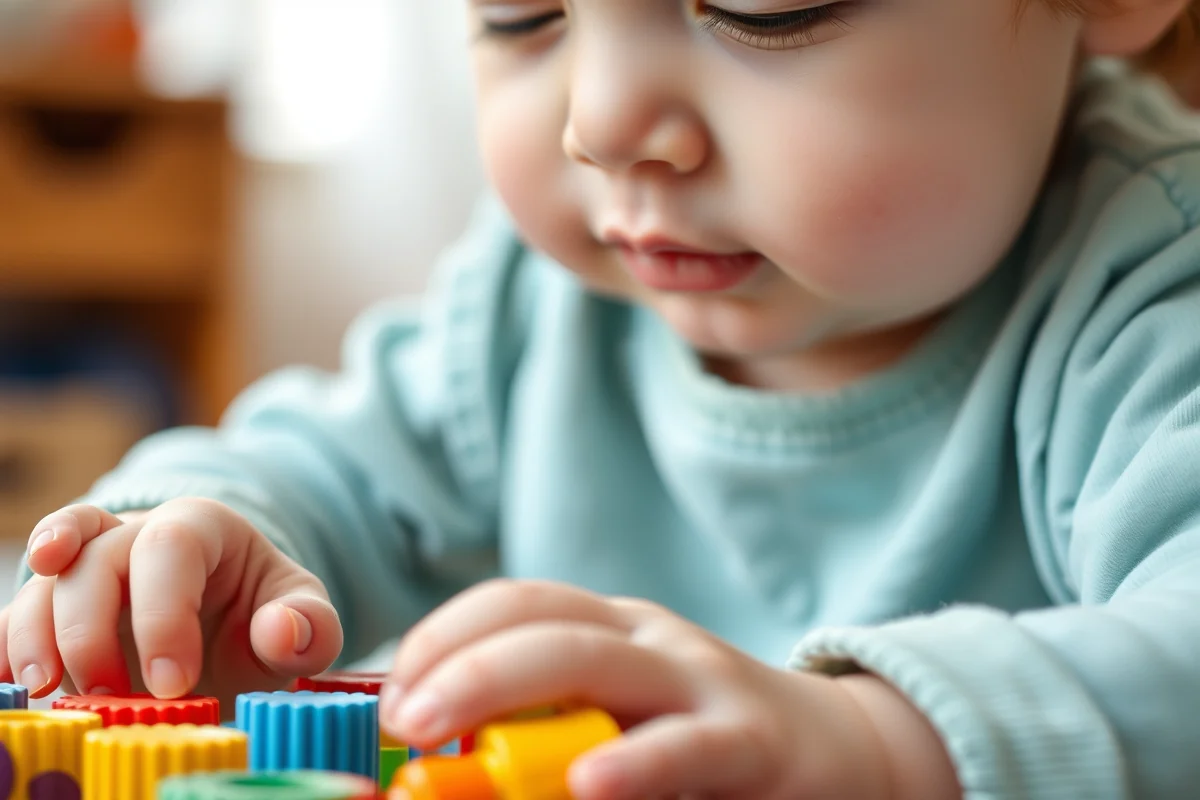
A toddler's daily routine should include a balance of activities that support physical, emotional, and cognitive development. This includes time for meals, play, naps, and learning. A consistent daily schedule helps toddlers understand what comes next, reducing anxiety and encouraging independence.
For example, a typical daily routine might involve waking up at the same time each day, followed by breakfast, playtime, a nap, lunch, and then more play or learning activities. Parents can use visual aids, such as picture schedules or timers, to help toddlers follow the routine more easily.
It's important to note that flexibility is key, as toddlers can be unpredictable. However, having a general structure in place ensures that essential activities—like meals and naps—are prioritized. A study from the University of California found that toddlers who follow a consistent daily schedule are more likely to exhibit positive behavior and emotional regulation. For the full walkthrough, see natural toddler routines and budget toddler daily routine ideas.[3]
Related: Budget Game
Related: Toddler Routines Troubleshooting & Phases
Related: Toddler Routines Printables & Checklists
Related: Best Toddler Routines Printables Checklists
Related: Quick Toddler Routines Printables
Related: Affordable Toddler Routines Ideas
Related: Best Toddler Schedule
Related: Toddler Floor Bed
Related: How To Floor Bed Toddler
Related: What Is Toddler Room
Related: Best Toddler Routine
Related: Best Toddler Routines
Related: Small Toddler Routines For Beginners
Related: Minimalist Toddler Routines For Beginners
Related: Simple Toddler Routine
Related: Easy Toddler Routines
Related: Toddler Schedule Ideas
Related: Toddler Schedule For Families
Related: Beginner Toddler Routine Chart
Related: Beginner Toddler Bedtime Routines
Related: Toddler Routine Mistakes
Related: Toddler Bedtime Routines
Related: Natural Toddler Schedule
Related: Homemade Lovevery Toddler Routines Mini Kit
Related: Toddler Morning Routine Ideas
Related: Minimalist Toddler Daily Routine Ideas
Related: Small Toddler Morning Routine Ideas
Related: Toddler Bedtime Routines For Beginners
Related: Toddler Routine Chart That Work
Related: Toddler Routine Tips
Related: Easy Toddler Routine 72 Real Photo Cards
Related: Lovevery Toddler Routines Mini Kit How To Choose
Related: Toddler Daily Routine Ideas Checklist
Related: Toddler Bedtime Routine Ideas For Beginners
Schedules
Creating a toddler schedule involves identifying the key activities of the day and assigning specific times to each. This includes wake-up time, meals, naps, play, and bedtime. A clear schedule helps toddlers understand expectations and reduces uncertainty, which can lead to fewer tantrums and better behavior.
For instance, a sample schedule might look like this: wake up at 7:00 AM, have breakfast at 8:00 AM, playtime from 9:00 AM to 10:30 AM, followed by a nap from 10:30 AM to 12:00 PM. Afternoon activities could include a snack, play, and then dinner at 5:00 PM, with bedtime at 7:30 PM. This type of schedule provides a framework that parents can adapt as needed.[4]
Parents can use digital or printed schedule charts to help toddlers visualize their day. These charts can be especially helpful for toddlers who are learning to read or recognize pictures. A well-structured schedule not only benefits the toddler but also helps parents manage their time more efficiently, reducing stress and improving family dynamics. For the full walkthrough, see toddler routines tips explained and toddler routines tips alternatives.
“Toddler routines are the backbone of a calm, predictable, and nurturing environment for young children, helping them feel secure and fostering healthy deve”— Steadytoddler editors
Related: Modern Toddler Daily Routine Ideas
Toddler Morning

A toddler's morning routine should be gentle, predictable, and designed to help them wake up and get ready for the day. Starting with a consistent wake-up time, followed by a light breakfast and a few minutes of quiet play, can help toddlers adjust to the day's activities without feeling rushed or overwhelmed.
For example, a morning routine might include waking up at 7:30 AM, having a breakfast of cereal and fruit, followed by a short play session with toys or a quick story. Then, getting dressed and preparing for the day's activities. This routine helps toddlers feel grounded and ready for the day ahead.[5]
Parents can also use visual aids or timers to help toddlers stay on track with their morning routine. For instance, a visual schedule with pictures of breakfast, playtime, and getting dressed can guide toddlers through each step. A study from the National Sleep Foundation found that toddlers with a consistent morning routine are more alert and better able to focus during the day. For the full walkthrough, see simple toddler routines and homemade toddler bedtime routines.
Lovevery Toddler
The Lovevery Toddler kit is a comprehensive resource for parents looking to establish a consistent and developmentally appropriate routine for their toddler. It includes a set of beautifully designed cards that outline a daily schedule and activity suggestions based on the toddler's age and developmental stage.
For example, the Lovevery Toddler mini kit includes a set of 72 real photo cards that help toddlers understand and follow a routine through visual cues. These cards can be used to build a schedule that includes meals, naps, play, and learning activities, tailored to the toddler's individual needs.
The Lovevery Toddler routine is designed to be flexible, allowing parents to customize it as their toddler grows. It also emphasizes the importance of consistency, which is key to helping toddlers develop a sense of security and structure. Parents who use the Lovevery system often report improvements in their toddler's behavior and communication skills. For the full walkthrough, see easy toddler routines ideas and toddler daily routines.
Routine Chart
A toddler routine chart is a visual tool that helps toddlers understand the sequence of activities throughout the day. It typically includes pictures or icons representing key activities such as breakfast, play, nap, and bedtime. These charts can be customized to fit the toddler's daily schedule and developmental needs.
For example, a routine chart might have a series of picture cards that show a toddler waking up, having breakfast, playing, and then going to bed. These cards can be arranged in order to create a clear visual representation of the day's schedule, helping toddlers understand what comes next.
Parents can also use a routine chart to teach toddlers about time and transitions. For instance, placing a card with a picture of a clock next to the nap time card can help toddlers understand that after a certain amount of time, it's time to go to sleep. A routine chart is an invaluable tool for promoting independence and structure in a toddler's daily life. For the full walkthrough, see lovevery toddler routines mini kit and toddler routines for beginners.
72 Real
The 72 Real routine is a comprehensive, three-day schedule that parents can use as a blueprint to create a personalized daily routine for their toddler. It emphasizes key activities such as sleep, meals, play, and learning, ensuring that toddlers have a balanced and predictable environment. This approach helps parents understand the importance of timing and structure, which are crucial for toddler development.
This method is especially useful for new parents who may feel overwhelmed by the unpredictability of toddler behavior. By following the 72 Real model, parents can observe how their child responds to a structured day and make adjustments accordingly. It encourages consistency in wake-up times, nap schedules, and bedtime routines, which are essential for a toddler's physical and emotional well-being.
The 72 Real routine also integrates developmental milestones, allowing parents to track their child's progress over time. It serves as a foundational guide that can be expanded and adapted as the toddler grows. This approach not only supports healthy habits but also fosters a sense of security and stability for the child, making it a valuable tool in early childhood parenting. For the full walkthrough, see toddler routines comparison and essential toddler routine.
For Beginners
New parents often find themselves overwhelmed by the demands of toddler care, making it challenging to establish a routine. For beginners, it's important to start with a simple structure that allows for flexibility. A basic routine can include key elements such as waking up, meals, naps, playtime, and bedtime, all of which help create a sense of order in the toddler's day.
Beginners should focus on consistency over perfection, as toddlers thrive on predictable patterns. It's normal for the routine to evolve as the child grows and their needs change. Parents can use visual aids, such as charts or schedules, to help their toddler understand the daily flow and feel more secure.
Starting with a toddler routine for beginners also means being patient and open to adjustments. Every child is unique, and what works for one may not work for another. By taking small steps and gradually building a routine, parents can create a nurturing environment that supports their toddler's development and well-being. For the full walkthrough, see fast toddler morning routine ideas and essential toddler routines tips.
Natural Materials
Incorporating natural materials into a toddler's routine can enhance their sensory experiences and encourage exploration. Items such as wood, cotton, wool, and natural fibers provide safe and tactile opportunities for play and learning. These materials are often free from harmful chemicals, making them ideal for young children who are still developing their immune systems.
Natural materials can be used in various aspects of a toddler's daily life, from toys and bedding to clothing and play areas. For example, wooden blocks, fabric-based sensory bins, and natural fiber rugs can stimulate a toddler's senses while supporting their physical and cognitive development. These materials also help foster a deeper connection to nature, which can have long-term benefits for a child's environmental awareness.
Choosing natural materials for toddler routines also aligns with eco-friendly and sustainable parenting practices. By opting for items that are biodegradable, non-toxic, and durable, parents can reduce their environmental footprint while providing their child with a safe and enriching environment. This approach not only benefits the toddler but also sets a positive example for responsible consumption and care. For the full walkthrough, see toddler daily routines list and budget toddler routines for beginners.
Essential Toddler
Essential toddler needs include consistent sleep, balanced nutrition, emotional security, and opportunities for exploration and play. These elements form the foundation of a healthy and happy toddler. Parents should prioritize meeting these needs to foster stability and growth.
A well-structured routine helps toddlers feel safe and predict what comes next, reducing anxiety and promoting better behavior. It also allows parents to manage their time more efficiently and focus on quality interactions with their child.
By recognizing the essential aspects of toddler life, parents can tailor routines that are flexible yet structured, allowing for individuality while still providing the necessary guidance and support for their child's development. For the full walkthrough, see small toddler routines for beginners and minimalist toddler routines for beginners.
Routines Alternatives
Alternatives to traditional routines may include more flexible schedules, play-based learning, and child-led activities that encourage autonomy and creativity. These approaches allow toddlers to explore at their own pace while still maintaining a sense of structure.
Some parents find success with flexible bedtime routines, such as allowing toddlers to choose their pajamas or read a favorite book before bed. This can make the transition to sleep easier and more enjoyable for the child.
While alternatives may vary, the key is to maintain consistency in core areas like meals, rest, and emotional support. This ensures that toddlers still have a stable environment, even if the daily activities are more adaptable to their changing needs.
Troubleshooting and Common Questions
One of the most common issues parents face is resistance to bedtime or mealtime routines. Toddlers often test boundaries, so consistency and patience are key. Offering choices within the routine, such as picking pajamas or a bedtime story, can increase cooperation and reduce power struggles.
Another frequent concern is adapting routines during transitions, like starting daycare or moving to a new home. Gradual changes and maintaining core elements of the routine can help toddlers feel secure. Communication with caregivers is essential to ensure consistency across environments.
If your toddler is not eating well or having trouble sleeping, consider evaluating their overall well-being, including sleep environment, screen time, and emotional needs. Consulting with a pediatrician or child development specialist can provide personalized guidance and reassurance.
Getting Started: Your First Steps
Start by observing your toddler's natural rhythms and preferences, such as when they tend to feel tired or hungry. Use this as a guide to create a routine that aligns with their needs while gradually introducing structure. Begin with one or two key routines, like bedtime or mealtime, and build from there.
Involve your toddler in the process by using visual aids like picture schedules or timers to make the routine more engaging and understandable. Keep expectations realistic and avoid overwhelming your child with too many changes at once. Celebrate small successes to encourage positive behavior and motivation.
Consistency is crucial in the early stages, but flexibility is also important. Be prepared to adjust the routine as your toddler grows and their needs change. Surround yourself with a support system of family, friends, or parenting groups to share experiences and gain valuable insights.
🌱 Beginner
The simplest version — minimal supplies, quick win.
💰 Budget
Same result using what you already have.
⚡ Quick
The 10-minute version for busy days.
✨ Advanced
The upgraded version once the basics stick.
| The mistake | Why it happens | The fix |
|---|---|---|
| Not being consistent with the toddler's routine. | Inconsistency can lead to confusion, anxiety, and behavioral issues in toddlers. | Establish a consistent schedule and stick to it as much as possible, allowing for minor adjustments as needed. |
| Overloading the toddler's schedule with too many activities. | Too many activities can overwhelm toddlers and make it difficult for them to transition between tasks. | Keep the schedule simple and balanced, ensuring there is enough time for rest and play. |
| Ignoring the toddler's individual needs and preferences. | Every toddler is unique, and a one-size-fits-all approach may not work for all children. | Tailor the routine to the toddler's developmental stage, personality, and interests for better success. |
toddler routines
Common Questions
What are some homemade toddler bedtime routines?
What are some DIY toddler daily routines?
What is an easy toddler schedule?
What are some fast toddler morning routine ideas?
References
- Routines and Expectations - Child & Family Development (canr.msu.edu)
- Positive Parenting Tips: Toddlers (1–2 years old) (cdc.gov)
- PDF Toddler 1 Schedule/Daily Routines (cdl.illinois.edu)
- PDF Daily Routine for Infants and Toddlers (childcare.uci.edu)
- Infant-Toddler Care: Daily Routines — Courses — Better Kid Care (extension.psu.edu)
Cite this guide
Steadytoddler (2026). Toddler Routines. https://steadytoddler.com/toddler-routines/
Feel free to cite or share this guide.