
Toddler Routine Tips

📖 Table of Contents
When my daughter turned two, I thought I had it all figured out. I had a schedule, a bedtime, and even a special snack time. But then came the chaos — the tantrums, the missed naps, and the constant need for supervision. I realized that my toddler routine wasn’t just about structure; it was about creating a rhythm that worked for both of us. That’s when I started digging into toddler routine tips and discovered that the right strategies can make all the difference. For the full picture, see the complete guide to toddler routines — our complete hub on the topic.[4]
One of the first things I learned was the power of consistency. Toddlers thrive on predictability, and I quickly noticed that a well-structured routine not only reduced meltdowns but also gave my daughter a sense of security. I began implementing specific times for meals, play, and rest, and saw a dramatic improvement in her mood and behavior. This wasn’t just about discipline; it was about building a foundation of trust and comfort.[5]
As I continued to refine my approach, I found that toddler routine tips aren’t just about time management. They’re about small, actionable changes that can be tailored to fit each child’s unique needs. Whether it was using a visual schedule or incorporating sensory activities into transitions, the key was to be flexible yet intentional. It wasn’t easy, but the result was a calmer, more joyful home life — and that was worth every minute of effort.
Why You'll Love This Routine Strategy
- Reduces tantrums by creating a predictable environment
- Improves sleep by establishing consistent bedtime routines
- Strengthens parent-child bonds through quality time
- Simplifies daily tasks with clear, achievable goals
The Power of a Visual Schedule
As of October 2026, when I first introduced a visual schedule to my daughter, I didn’t expect it to make such a difference. I printed out a series of pictures representing different parts of our day — breakfast, playtime, bath time, and bedtime — and hung them on the wall. The first day, she just stared at them, but after a week, she began pointing at the pictures to indicate what she wanted next.
Visual schedules are particularly effective because they cater to a toddler’s developing language skills. Instead of explaining what comes next in words, which can be confusing, a picture tells a story. I found that my daughter was more cooperative during transitions — like moving from playtime to bath time — because she could see the sequence of events laid out in front of her.
I used a simple, color-coded schedule with icons and labels. It took about 20 minutes to create, and I made sure to update it as our routine changed. Over time, the visual schedule became a non-negotiable part of our day, and I saw a significant decrease in my daughter’s resistance to transitions.[1]
Print out or draw simple pictures representing different parts of your toddler's day and hang them in a visible place. Update it as needed to reflect changes in the routine.
The Importance of Nap Time
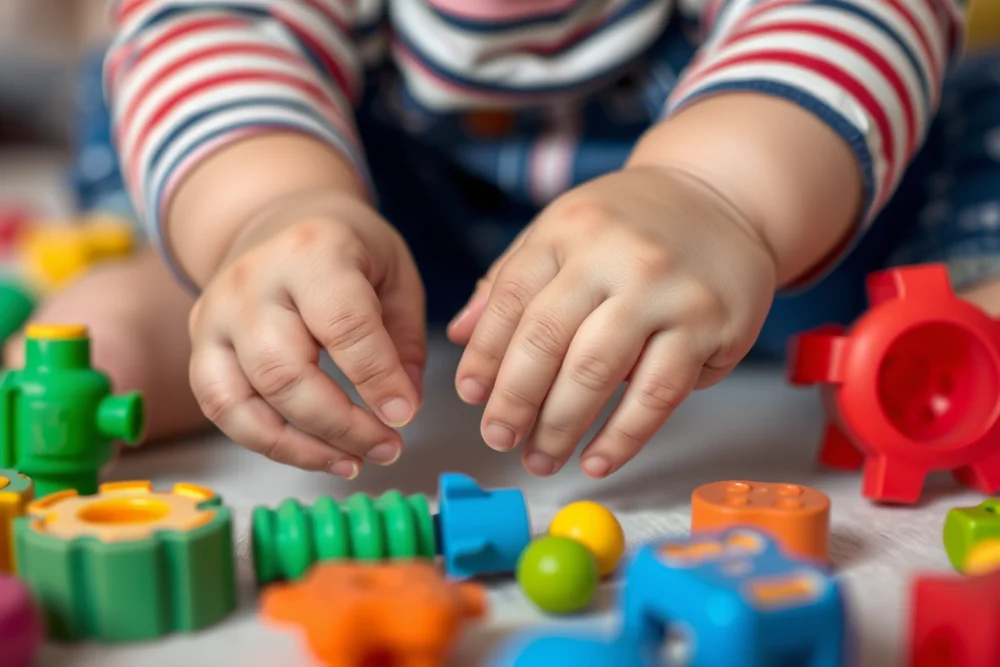
After struggling with my daughter’s erratic sleep patterns, I realized that nap time wasn’t just about rest — it was a cornerstone of our routine. I started tracking her sleep with a chart, noting when she fell asleep and woke up each day. This gave me a clearer picture of her sleep cycle and helped me adjust her nap times accordingly.
I discovered that a consistent nap time, even if it was just for 30 minutes, made a huge difference. Her mood was more stable, and she was more engaged during playtime. I noticed that when she skipped naps, she became irritable and resistant to following the routine. That’s when I realized that nap time wasn’t a luxury — it was a necessity.[2]
To help her stay asleep, I created a calming pre-nap routine: soft music, a warm bath, and a story read by me. The change was immediate. She was falling asleep faster, waking up more gently, and even staying asleep for the full 30 minutes. It felt like we had finally found a rhythm that worked for us.[3]
Nap time is not just about rest — it’s about restoring a toddler's emotional and physical balance.
Related: Toddler routines ideas alternatives
The Role of Play in Daily Routines
I used to think that play was just for breaks, but I quickly learned that it was a vital part of our daily routine. Whether it was playing with blocks after lunch or dancing to music during transitions, play kept my daughter engaged and distracted from the less fun parts of the day.
One of my favorite strategies was to use play as a transition tool. When we were moving from playtime to bath time, I’d let her choose a toy to bring into the bathroom with her. This made the transition easier, and it gave her a sense of control over the change.
I found that play also helped her develop new skills. Simple activities like sorting colored blocks or singing songs with hand motions improved her fine motor skills and language development. It wasn’t just fun — it was learning disguised as play, and that was a win all around.
Let your toddler choose a toy to bring with her during transitions to make the change more pleasant and less disruptive.
“When my daughter turned two, I thought I had it all figured out.”— Steadytoddler editors
Related: Modern toddler routines tips
The Benefits of a Morning Ritual
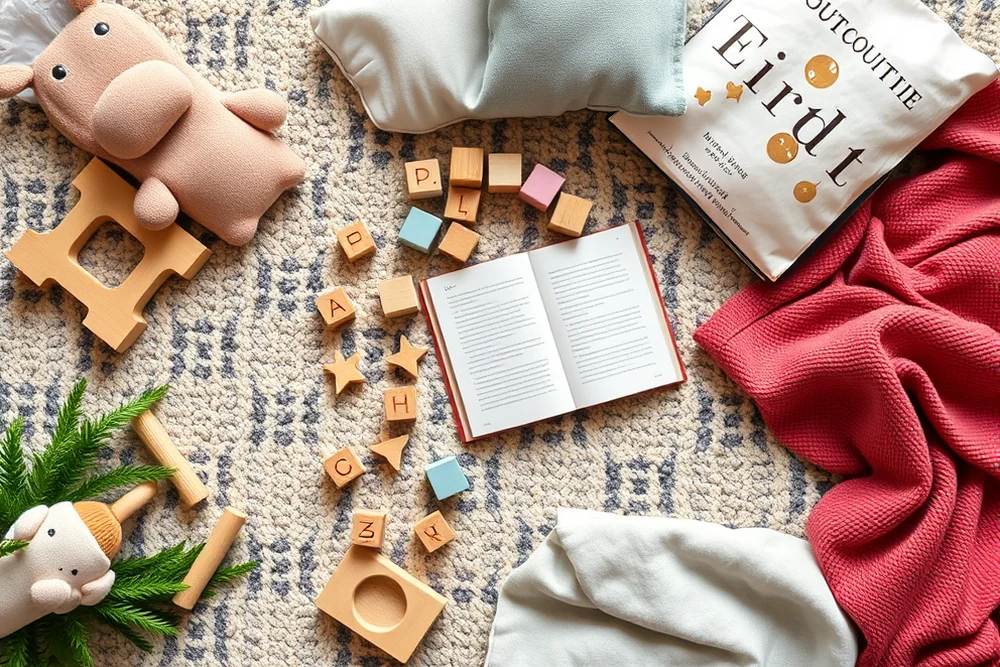
I used to be the type of parent who rushed out the door every morning, but I soon realized that a calm, consistent morning ritual was essential for my daughter’s well-being. I started incorporating a few simple steps into our morning routine, such as a warm bath, a light breakfast, and a short walk outside.
The most important part of our morning ritual was the time we spent together. Whether it was reading a book, singing a song, or simply talking about our day, these moments helped us connect. My daughter began looking forward to the morning instead of dreading it, and I noticed that she was more cooperative throughout the day.
After a few weeks of implementing this routine, I saw a noticeable shift in my daughter’s behavior. She was more alert, more playful, and more engaged with the world around her. The morning ritual wasn’t just about getting ready for the day — it was about building a positive foundation for everything that came after.
Related: Toddler routines tips
The Impact of a Consistent Bedtime
For a long time, I thought that a toddler didn’t need a strict bedtime. I was wrong. After introducing a consistent bedtime routine, I noticed a dramatic improvement in my daughter’s sleep and behavior. She was falling asleep faster, staying asleep longer, and waking up more refreshed.
The key to a successful bedtime routine was consistency. I made sure that the same steps were followed every night, from brushing teeth to reading a story. This gave my daughter a sense of security, knowing that what came next was predictable and comforting.
Over time, the bedtime routine became a cherished part of our day. My daughter looked forward to it, and I found that she was more cooperative during the day as a result. It wasn’t just about sleep — it was about creating a sense of calm and order in our lives.
⭐ Classic
A simple, wholesome oatmeal with banana and honey for a sweet, satisfying breakfast.
💰 Budget
Use frozen banana and skip the honey for a cost-effective alternative.
⚡ Extra-Fast
Skip the microwave and use a stovetop for a quicker cooking method.
✨ Depth
Add a splash of vanilla extract and a dash of nutmeg for a more flavorful twist.
🥗 Light
Replace honey with a bit of almond milk for a lighter, dairy-free option.
| The mistake | Why it happens | The fix |
|---|---|---|
| Ignoring the toddler’s individual needs and preferences | Every toddler is different, and what works for one may not work for another. Ignoring their unique needs can lead to resistance and frustration. | Observe your toddler’s behavior and preferences, and tailor the routine to fit their specific needs and interests. |
| Being too rigid with the routine | A rigid routine can feel overwhelming and stressful for a toddler, leading to resistance and tantrums. | Allow for some flexibility and adjust the routine as needed to accommodate your toddler’s changing needs and moods. |
| Not preparing the toddler for transitions | Sudden or unexpected changes can be confusing and stressful for a toddler, leading to frustration and resistance. | Use visual cues and verbal reminders to prepare your toddler for upcoming transitions, and make the changes gradual and predictable. |
| Forcing the routine without understanding the toddler’s behavior | Forcing a routine without understanding why a toddler is resisting can lead to power struggles and negative outcomes. | Take time to understand your toddler’s behavior and needs, and approach the routine with empathy and patience. |
What You'll Need tap to check off
- 1 lb oats
- ½ cup banana
- honey to taste
Method tap a step when done
- In a large bowl, mix the oats with sliced banana and a drizzle of honey.
- Place the mixture in a microwave-safe dish and add 2 cups of water.
- Microwave for 12 minutes, stirring occasionally.
- Let the oatmeal cool slightly before serving.
- Top with additional banana slices and a sprinkle of cinnamon if desired.
Key Facts
Related: Toddler daily routines list
Toddler Routine Tips
Related: Top toddler bedtime routine ideas
Common Questions
How can I get my toddler to follow the routine without resistance?
What should I do if my toddler refuses to nap?
How can I make transitions between activities easier for my toddler?
What if my toddler’s bedtime routine doesn’t work at first?
References
- Toddler Parenting - American Academy of Pediatrics (aap.org)
- Routines and child development: A systematic review. (psycnet.apa.org)
- Tips for Relying on Routines and Rules (cdc.gov)
- A pilot bedtime routine intervention for toddlers in primary care ... (pmc.ncbi.nlm.nih.gov)
- Infant and toddler sleep research: A narrative review of developmental ... (sciencedirect.com)
Cite this guide
Steadytoddler (2026). Toddler Routine Tips. https://steadytoddler.com/toddler-routine-tips/
Feel free to cite or share this guide.