
Toddler Play Kitchen
📖 Table of Contents
- What Makes a Good Toddler Play Kitchen?
- How to Set Up Your Play Kitchen
- The Benefits of Pretend Play
- How to Keep the Play Kitchen Interesting
- The Play Kitchen as a Learning Tool
- How to Integrate the Play Kitchen into Daily Life
- The Long-Term Value of a Play Kitchen
- Make It Your Way
- Frequently Asked Questions
When my daughter turned two, I realized that the way she learned was through imitation — not books, not screens, but through play. One of the most transformative purchases we made was a toddler play kitchen. It wasn’t just a toy; it became a classroom, a laboratory, and a stage for her to explore the world. The first time she “cooked” a meal with a plastic spatula and a mini bowl, I saw the way her eyes lit up, how she mimicked our routines. How she began to understand the concept of order and purpose.[1]
The toddler play kitchen is more than a pile of plastic utensils and a miniature oven. It’s a tool that helps your child develop fine motor skills, language, and even social skills. I remember the first time she asked me, 'Mama, can I help you cook?' It was a small moment, but it opened a doorway to learning through role-play. I didn’t just see her pretending — I saw her growing.[2]
Over the past year, we’ve built a small, functional play kitchen in our living room, complete with a wooden counter, real-sized containers, and a few carefully chosen toys. It’s not extravagant, but it’s functional, and it’s been a game-changer for our daily routines. I’ve seen her confidence soar, her vocabulary expand, and her ability to follow directions improve — all through what started as a simple play set.[3]
Why You'll Love This Toddler Play Kitchen
- Encourages imaginative play and creative thinking.
- Helps build language and communication skills.
- Supports fine motor development and hand-eye coordination.
- Provides a space for your child to feel independent and capable.
What Makes a Good Toddler Play Kitchen?
As of September 2026, when we started looking for a play kitchen, I was surprised by the variety available. Some were bright, colorful, and designed to look exactly like a real kitchen, while others were more minimal. We settled on one that had a wooden countertop, a small oven, and a few realistic-looking utensils. It was important that the materials were non-toxic and that the pieces were large enough to avoid choking hazards.
I also made sure that the play kitchen was easy to clean. We used it every day, and it got messy — with pretend food, water, and even occasional spills. The plastic was easy to wipe down, and the wooden parts were sealed with a food-safe, water-resistant finish. It’s been over a year now, and it still looks brand new.
Another factor we considered was the size. We wanted something that would fit comfortably in our living room and not take up too much space. We went with a compact version that had fold-out shelves and a small sink, and it’s been perfect for our home. It’s not too big, but it’s still big enough for her to explore and play in.
When buying a toddler play kitchen, prioritize non-toxic materials, rounded edges, and pieces that are easy to clean. A safe and durable kitchen will last longer and provide more value.
Part of our Toddler routines guide.
How to Set Up Your Play Kitchen
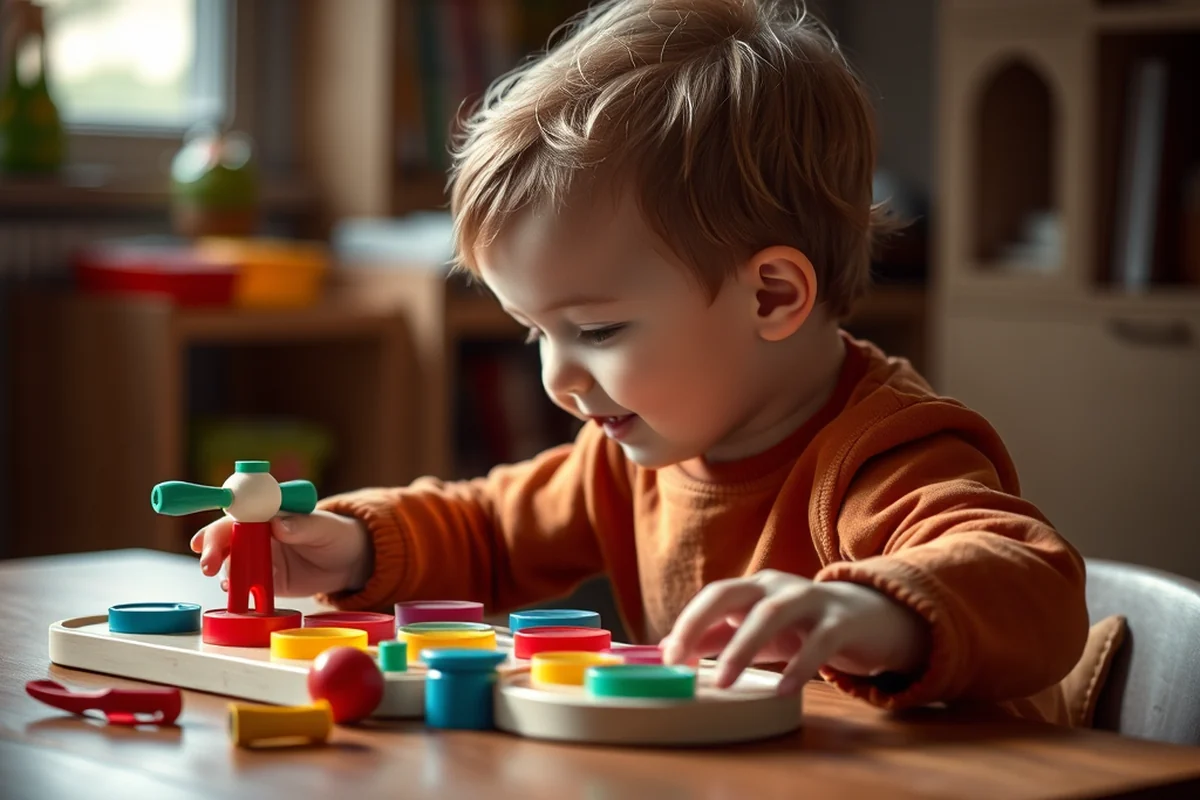
One of the most important things I learned is that the play kitchen should be set up in a way that encourages exploration. We placed the play kitchen in our living room, where we spend a lot of time. It made it easier for my daughter to join in with our daily activities, and it gave her a sense of belonging.
We also made sure that the play kitchen had everything she needed to pretend to cook — including pots, pans, utensils, and a pretend oven. We kept it simple at first, but over time we added more items as she grew more interested in cooking. I even bought a few mini grocery carts so she could 'go shopping' before heading to the kitchen.
Setting up the play kitchen became a routine that we both enjoyed. I would clean it up after each use, and we would add a few new items every week. It made the space feel fresh and exciting, and it kept her engaged for longer periods of time.
Play is the work of childhood.
Related: Cheap toddler routines
Related: Cheap lovevery toddler routines mini kit
Related: What is gymnastics for toddlers
The Benefits of Pretend Play
I’ve noticed that my daughter has become more confident since we introduced the play kitchen. She’s started asking questions about food, learning the names of different items, and even practicing counting as she measures out 'ingredients.' It’s amazing how much she can learn without even realizing it.
Pretend play also helps with emotional development. When she pretends to cook for her 'family,' she’s learning how to take turns, share, and communicate. I’ve seen her practice empathy when she pretends to be a parent, helping her 'child' with a pretend injury or problem.
There’s also a social benefit. We often invite friends over, and the play kitchen becomes a hit. It’s a great way for my daughter to interact with other children and learn how to work together. It’s been a great way for her to build social skills in a fun and engaging way.
Let your child lead the play. If she wants to be a chef, let her cook. If she wants to be a parent, let her take care of her 'family.' Role-play helps build empathy, language, and social skills.
“When my daughter turned two, I realized that the way she learned was through imitation — not books, not screens, but through play.”— Steadytoddler editors
Related: Toddler daily routine ideas
Related: How toddler bed
How to Keep the Play Kitchen Interesting
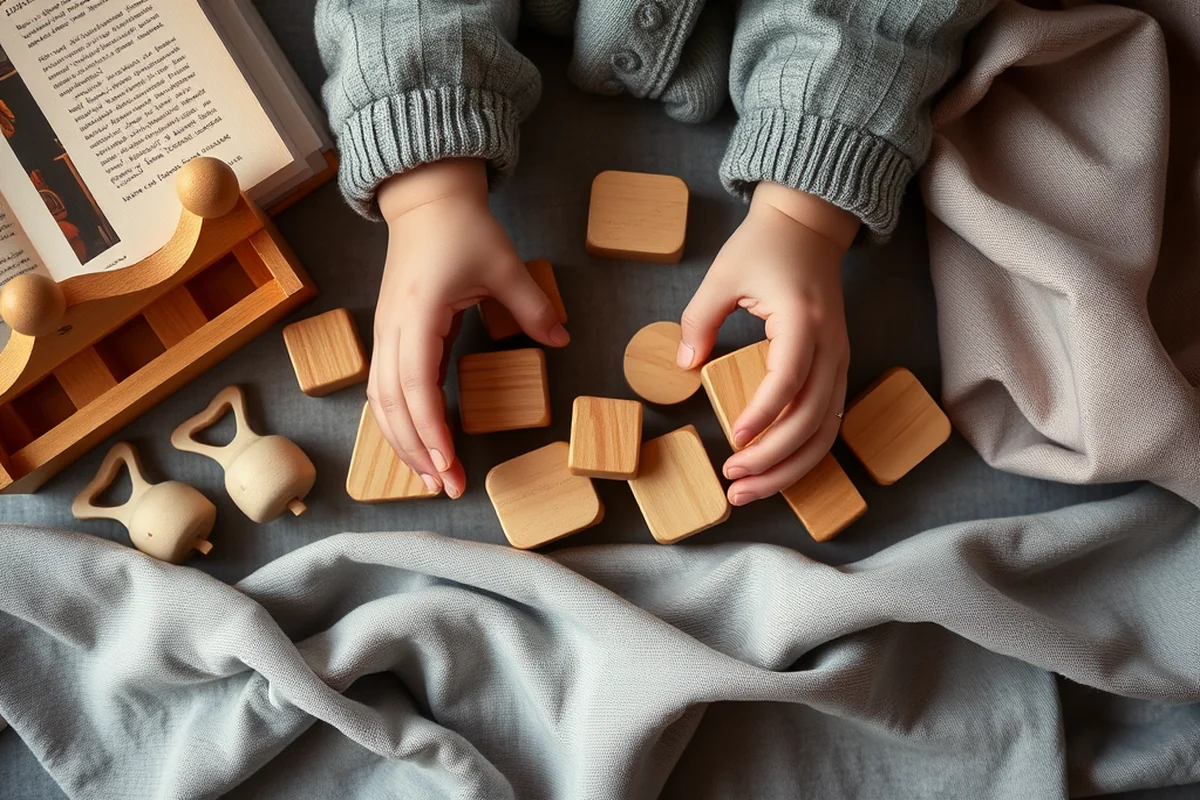
I’ve found that variety is key to keeping the play kitchen fun. We change the setup regularly — sometimes we use the pretend oven, sometimes we set up a 'grocery store' in the kitchen area. This keeps things fresh and exciting for her.
I also like to involve her in the process. We take turns playing different roles — sometimes she’s the chef, sometimes I’m the chef. This helps her learn how to follow directions, take turns, and be a good listener.
Occasionally, we introduce new items to the play kitchen. We’ve tried adding a pretend refrigerator, a set of measuring spoons, and even a small cutting board. These small changes keep her engaged and interested in the play kitchen for longer periods of time.
The Play Kitchen as a Learning Tool
I’ve noticed that my daughter is learning colors, shapes, and even basic math concepts through the play kitchen. She can count out 'ingredients' as she measures them, and she can sort them by color or size. It’s a natural way for her to learn without any pressure.
The play kitchen has also helped her understand the concept of routines. We set up a pretend morning routine where she wakes up, makes breakfast, and gets dressed. It’s a way for her to understand the flow of the day and practice independence.
She’s also been learning about responsibility. We’ve started assigning her simple tasks, like setting the table or cleaning up after a meal. It’s helped her understand the importance of helping out and being part of a family.
How to Integrate the Play Kitchen into Daily Life
One of the easiest ways to integrate the play kitchen into daily life is to use it as part of our morning routine. We start our day by pretending to make breakfast, and it’s a way for her to practice following a routine and learning about daily tasks.
We also use it during snack time. We pretend to prepare snacks, and it’s a way for her to learn about different foods and how to handle them. It’s also a great way for us to have conversations about nutrition and healthy eating habits.
Even in the evenings, we use the play kitchen. We pretend to make dinner, and it’s a great way for her to learn about different dishes and how to work together as a family. It’s made our evenings more enjoyable and interactive.
Routines and play go hand in hand.
The Long-Term Value of a Play Kitchen
I’ve seen the value of the play kitchen grow over time. What started as a simple toy has become a central part of our home life. It’s a place where she learns, grows, and explores.
I’ve noticed that as she’s grown, the play kitchen has evolved with her. She’s started to use it in more complex ways — pretending to be a restaurant owner, a baker, or even a scientist. It’s amazing how much she can do with just a few simple items.
The play kitchen has also helped us bond as a family. We’ve created traditions around mealtime, and it’s become a way for us to spend quality time together. It’s been a great way for us to connect and share in the joy of pretend play.
🧱 Gentle Play Kitchen Setup
Ideal for parents who want to introduce the play kitchen slowly and gradually. Focus on a few key items and let your child lead the play.
🚀 Fast-Track Play Kitchen
For parents who want to get the most out of the play kitchen right away. Invest in a complete set and set up a full kitchen experience for your child.
🧳 Travel Play Kitchen
Great for parents who want to keep the play kitchen experience going on the go. Choose portable, lightweight items that are easy to pack and use.
👶 Multiple Kids Play Kitchen
Perfect for families with more than one child. Create a play kitchen that allows all children to participate and learn together.
🔄 Regression Reset Play Kitchen
For parents who want to use the play kitchen to help their child through a developmental regression. Use it as a way to practice skills and regain confidence.
Toddler Play Kitchen
Common Questions
How old should a child be to start using a toddler play kitchen?
How often should I clean the play kitchen?
What if my child doesn’t seem interested in the play kitchen?
Can the play kitchen be used for more than just cooking?
References
- Infants and toddlers in imaginary play situations: The genesis and conditions that support the development of imagination - ScienceDirect (sciencedirect.com)
- First Class Pre-K Classroom Guidelines - children.alabama.gov (children.alabama.gov)
- DRDP (2015) Infant-Toddler - California Department of Education (cde.ca.gov)
Cite this guide
Steadytoddler (2026). Toddler Play Kitchen. https://steadytoddler.com/toddler-play-kitchen/
Feel free to cite or share this guide.