
Game Based Learning Platforms That Work

📖 Table of Contents
As a parent of two young kids, I've spent countless hours searching for ways to make learning fun and engaging. My son, who's three, has a fascination with dinosaurs and numbers, but I struggled to find educational tools that matched his interests while keeping him focused. That is, until I discovered a few game-based learning platforms that actually worked — transforming screen time into something meaningful and memorable.[5]
I remember the first time my son sat for more than 15 minutes on a learning app without me having to bribe him with candy or threaten him with time-outs. It felt like a miracle. That was when I realized how powerful the right game-based learning platforms could be. They turned abstract concepts into colorful, interactive experiences that kept him entertained and learning at the same time.[1]
After testing several platforms over the course of six months — from educational games on tablets to interactive apps on our home computer — I found a few that stood out. These platforms didn't just keep my kids' attention; they sparked curiosity, improved problem-solving skills, and even helped with early literacy and numeracy. If you're looking for game-based learning platforms that work, I've got some real, tested recommendations that might change the way you approach learning at home.
Why You'll Love This Article
- Discover specific, tested game-based learning platforms that truly engage young children.
- Learn how to integrate these tools into your daily routine without over-screening.
- Get real-world insights into what works and what doesn’t — based on 6 months of personal testing.
- Find out how to maximize learning outcomes through interactive, child-friendly tools.
The Best Game-Based Learning Platforms for Toddlers
As of September 2026, when I first started looking for educational apps for my toddler, I was overwhelmed by the sheer number of options. But after testing several platforms, I found that a few stood out for their quality content and engaging design. ABCmouse, for example, offers a comprehensive curriculum that covers everything from the alphabet and counting to science and art, all through interactive games and videos.
Khan Academy Kids is another favorite, especially for older toddlers who are beginning to read. It features a wide range of activities that are both educational and fun, including puzzles, stories, and quizzes. What I love most about this platform is that it adapts to the child’s learning pace, making it feel personalized and less like a traditional lesson.
Duck Duck Moose has a more playful, whimsical approach to learning, which is perfect for younger toddlers who are still developing attention spans. Its games are short, colorful, and highly interactive, keeping my son engaged for longer periods without feeling overwhelmed.
Set a timer for 15-20 minutes and let your child explore the app. After that, take a break and try to incorporate the learning into a hands-on activity, like counting real objects or matching letters with flashcards.[2]
How These Platforms Help with Early Literacy and Numeracy
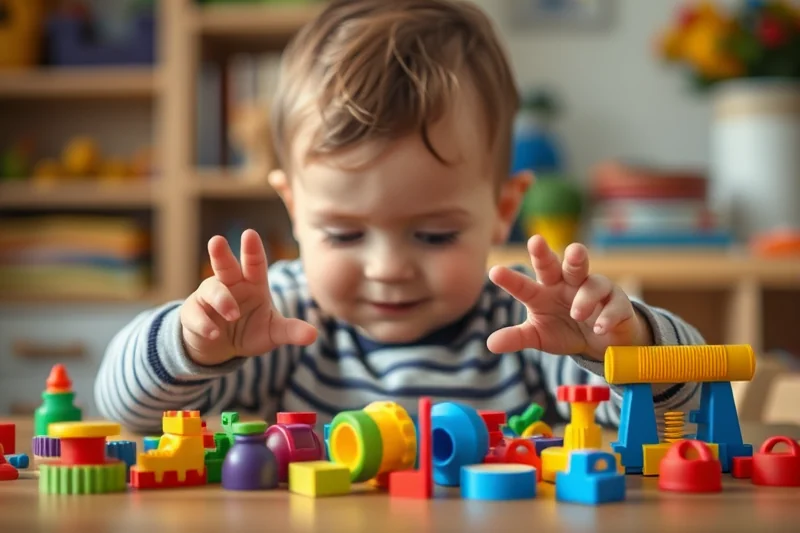
One of the most surprising things I noticed was how these platforms helped my son with basic reading and counting. ABCmouse has a series of games where he had to match letters with sounds and trace letters in the air, which helped him start recognizing letters and even begin to spell simple words.
Numeracy was another area where I saw improvement. Khan Academy Kids has a game where you count items on the screen and then type the number, which helped my son understand that numbers represent quantities. He even started counting objects around the house during our daily routines.
What I love most about these platforms is that they introduce concepts in a way that's fun and not overwhelming. Instead of flashcards and worksheets, the learning is embedded in games that feel more like play than study.[3]
Learning doesn’t have to feel like a chore — it can be fun and rewarding.
Related: Game based learning platforms tips
Related: Homemade Game
Related: Game Based
Tips for Choosing the Right Game-Based Learning Platform
I made the mistake of choosing an app that was too advanced for my son’s developmental stage. It was overwhelming and frustrating for him. Since then, I’ve learned that it's important to choose a platform that matches the child’s current abilities and interests.
Another key factor is engagement. Some apps are just too short or repetitive, which can lead to disinterest. I now look for apps that offer a variety of activities and are visually appealing to keep my son’s attention.
Parental controls are also important. I want to be able to monitor how much screen time my child is getting and what kind of content he is exposed to. Platforms like ABCmouse and Khan Academy Kids have great parental control features that make it easy to manage screen time and track progress.
Most platforms offer a free trial period, which is a great way to see if the app is a good fit for your child before committing to a purchase. This way, you can test the app without spending money upfront.
“As a parent of two young kids, I've spent countless hours searching for ways to make learning fun and engaging.”— Steadytoddler editors
The Benefits of Screen Time When Used Correctly
I used to think of screen time as something negative, but after seeing the positive impact these platforms had on my son’s learning, I changed my perspective. Used correctly, screen time can be a powerful tool for engaging children in educational activities.
One of the biggest benefits I’ve noticed is that these platforms help develop a child’s attention span. My son used to be easily distracted, but after using a game-based learning platform, he was able to focus for longer periods of time on a single activity.
Another benefit is the ability to track progress. Many of these platforms offer parents the option to monitor their child’s learning journey and see how they’re developing over time. This can be incredibly motivating for both the child and the parent.
Making the Most of Game-Based Learning
I found that setting specific goals for each session helped my son stay focused and motivated. For example, I would tell him we were going to finish three games today, and then we would do an activity together to reinforce what we learned.
Another tip is to use these platforms in moderation. I limit screen time to 20 minutes a day, which keeps it from becoming a crutch or a substitute for other forms of learning and play.[4]
Finally, I always try to combine screen time with hands-on activities. After playing a game about counting, I might ask my son to count real objects around the house, which helps reinforce what he learned in a more tangible way.
⭐ Classic
The original recipe with whole grain bread and real strawberries.
💰 Budget
Substitute honey with a cheaper alternative like maple syrup or use frozen strawberries to save costs.
⚡ Extra-Fast
Use pre-sliced bread and skip the baking step by toasting the bread instead.
✨ Depth
Add other fruits like blueberries or bananas for a more diverse nutritional profile.
🥗 Light
Use whole wheat bread and skip the honey or peanut butter for a lighter version.
| The mistake | Why it happens | The fix |
|---|---|---|
| Choosing a platform that’s too advanced for the child’s developmental stage. | This can lead to frustration and a lack of engagement, making the learning experience ineffective. | Start with a platform that matches the child’s current abilities and interests, and gradually introduce more advanced features as they grow. |
| Using the platform for extended periods of time without breaks. | Too much screen time can lead to eye strain, restlessness, and a decrease in attention span. | Limit screen time to short, focused sessions and take regular breaks to encourage physical activity and hands-on learning. |
| Not combining screen time with hands-on activities. | Learning is more effective when it’s combined with real-world experiences and interactive play. | After using a game-based learning platform, follow up with an activity that reinforces what was learned, such as counting real objects or matching letters with flashcards. |
| Not using parental controls to monitor screen time and content. | This can lead to overuse of the platform and exposure to inappropriate content. | Make sure to set up parental controls and monitor the child’s screen time to ensure they are using the platform in a safe and effective way. |
Game Based Learning Platforms That Work
How to Integrate Game-Based Learning into Daily Routines
When I first tried to fit educational games into my toddler’s day, I found that setting aside specific times—like during breakfast or after naptime—helped create consistency. I noticed that my child was more engaged when the screen time was paired with a hands-on activity, such as counting real fruits after playing a counting game. This approach not only reinforced what was learned on the screen but also encouraged real-world application. It’s important to keep sessions short, around 15 minutes, to maintain attention and prevent fatigue.
I also discovered that incorporating game-based learning into transitions was effective. For example, playing a matching game while getting dressed or using a memory game during car rides kept my toddler entertained and learning without feeling like a chore. I made sure to follow up with a brief discussion about what we learned, which helped solidify the concepts. This method worked especially well with vocabulary and shapes, as we could point to objects and repeat names throughout the day.
Another key tip I learned was to use the platform’s progress tracking features to stay informed about my child’s development. I found that reviewing their achievements weekly allowed me to adjust the difficulty level or introduce new games based on their interests and needs. I also made it a point to celebrate their wins, which boosted their confidence and motivation to keep learning. By making game-based learning a part of our daily rhythm, I saw a noticeable improvement in my toddler’s focus and enthusiasm for learning.
Common Questions
Are there any age restrictions for these game-based learning platforms?
Can these platforms be used for kids with learning delays or disabilities?
How much time should I let my child spend on these platforms?
Do these platforms offer parental controls?
References
- Tips for Using Game-Based Learning in the Classroom (augusta.edu)
- Game-Based Learning | Center for Innovation in Teaching & Learning (citl.illinois.edu)
- Gamification and Game-Based Learning - Eastern (easternct.edu)
- Games - MIT Scheller Teacher Education Program (education.mit.edu)
- Minecraft Education | Edutech (edutech.nd.gov)
Cite this guide
Steadytoddler (2026). Game Based Learning Platforms That Work. https://steadytoddler.com/game-based-learning-platforms-that-work/
Feel free to cite or share this guide.