
Simple Toddler Routines Checklists
📖 Table of Contents
I remember the first time I tried to create a simple toddler routine checklist. It was a chaotic afternoon filled with spilled juice, a crying toddler, and a complete lack of direction. I had read about the importance of routine, but I didn’t know where to start. The chaos made me realize that what I needed wasn’t a complex plan but a simple, actionable checklist that I could follow through the noise of toddlerhood.[1]
Simple toddler routines checklists aren’t just about structure—they’re about creating calm in the chaos. I’ve learned that routines don’t have to be rigid or overwhelming. They can be gentle, flexible, and tailored to the specific needs of my child. The key is to identify the most important moments of the day and build around them, using checklists to keep everything on track and reduce the mental load I carry.
Over time, I’ve tested and refined several versions of a simple toddler routine checklist. Some work better for mornings, others for bedtime, and a few are even useful for naps. The beauty of these checklists is that they’re not one-size-fits-all. They’re tools that evolve with my child and my family’s needs. That’s why I want to share what I’ve learned with other parents who are looking for real, practical, and sensory-rich solutions.
Why You'll Love This Simple Toddler Routines Checklist
- Reduces stress by streamlining transitions throughout the day
- Helps toddlers feel secure and understand what comes next
- Saves time by eliminating the guesswork of what to do next
- Can be easily adapted to your family’s unique rhythm
The Power of Morning Routines for Toddlers
As of September 2026, I started with a simple morning routine checklist that included waking up, getting dressed, breakfast, and then a short activity. It took about 30 minutes and was consistent every day. My toddler learned what to expect, and the whole process was smoother. It wasn’t about perfection—it was about consistency and predictability.
One of the things I noticed was that when the morning was calm, the rest of the day felt more manageable. It wasn’t just about keeping my toddler on task; it was about creating a sense of order that helped both of us feel more at ease.
I made a checklist with a few key items: wake-up time, clothing, breakfast, and a quiet moment. I used a visual chart with pictures to help my toddler understand each step, and it made a huge difference. It wasn’t long before they were following the routine without much prompting.
Create a visual morning checklist with pictures of each step. It helps toddlers understand what’s expected and builds independence.
Part of our Toddler routines printables checklists guide.
Why Consistency in Routines Matters

I noticed a big shift when I started sticking to the same routine day after day. My toddler began to anticipate what would happen next, and that reduced the amount of time I spent trying to manage their emotions or behavior.
Consistency doesn’t mean the routine can’t change. It means that when changes do happen, they’re approached with care and communication. This helps toddlers feel safe and supported, even during transitions.
I remember one specific day when we had to go to the doctor. Even though it was a change to our routine, I used the same checklist but added a new step: 'We’re going to see the doctor today.' My toddler didn’t panic; they just followed the new step with ease.
Consistency builds trust, even in the midst of change.
Related: Budget toddler routines checklists
The Role of Naps in Toddler Routines
I used to think naps were just about getting my toddler to sleep. But over time, I realized that the routine around naps—like a quiet activity, a lullaby, and a cozy space—was just as important as the nap itself.
One of the hardest parts of nap time was the transition from waking up to being ready for the next part of the day. I created a simple checklist that included a quiet book, a lullaby, and a short walk to help my toddler ease into sleep.
Now, I have a checklist that’s used before, during, and after nap time. It’s helped my toddler feel more in control of the process and has reduced the number of times they wake up early or refuse to nap altogether.
Use a checklist that includes a quiet book, a lullaby, and a short walk before nap time. It helps toddlers transition smoothly into rest.
“I remember the first time I tried to create a simple toddler routine checklist.”— Steadytoddler editors
Related: Budget toddler routines printables checklists
Simple Bedtime Routines That Work
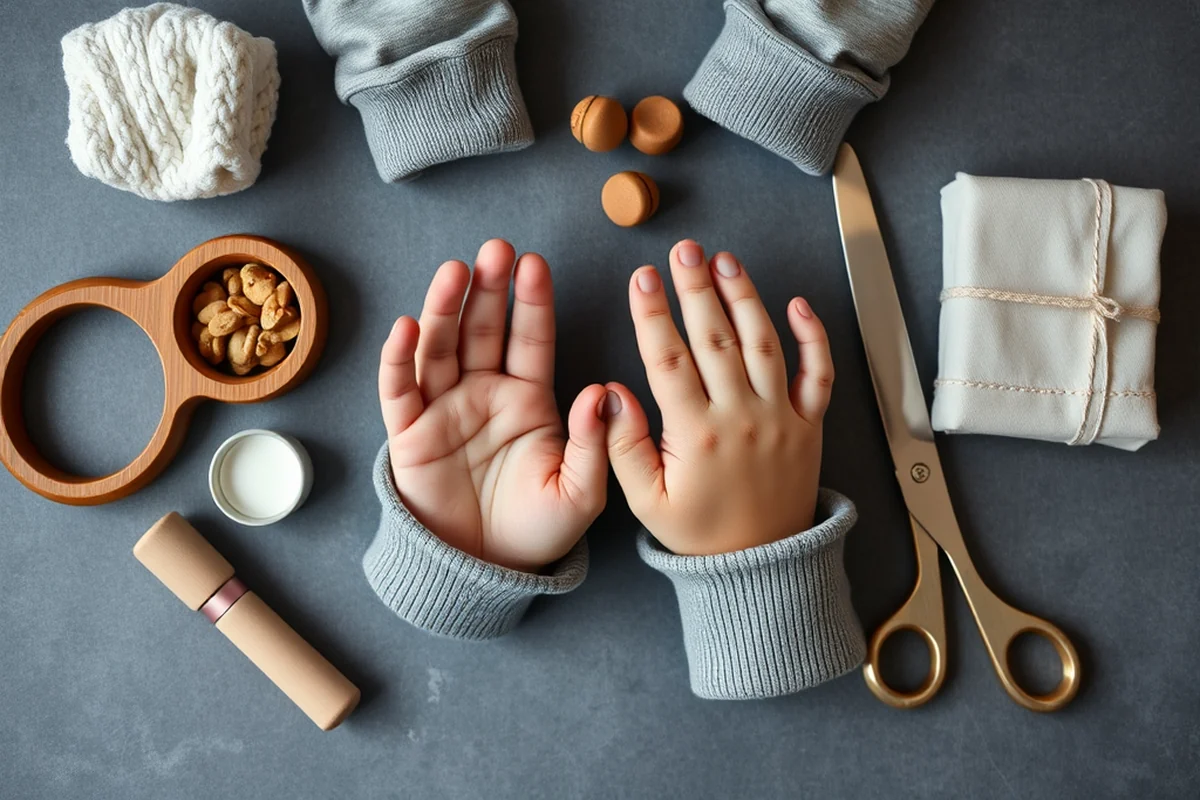
I was struggling with bedtime for a long time. My toddler would fight sleep, and I felt like I was losing the battle every night. Then I created a simple bedtime checklist that included a bath, pajamas, a story, and a lullaby.
I used the same checklist every night, and over time, my toddler began to associate each step with winding down. The routine became a part of our day, and it helped both of us feel more relaxed in the evening.
Now, I have a checklist that takes about 20 minutes and is consistent every night. It’s helped reduce bedtime battles and created a calm, predictable end to our day.[2]
Related: Toddler routines printables for small spaces
Adapting Checklists to Your Family’s Needs
One of the best things about a simple toddler routine checklist is that it’s not one-size-fits-all. I’ve had to adjust mine multiple times to fit our changing needs. For example, when we were traveling, we had to simplify the routine but still found ways to keep it consistent.
I’ve also found that checklists can be used for different parts of the day, like nap time or meals. They don’t have to be complex, but they should be easy to follow and tailored to your family’s rhythm.
The key is to be flexible while still keeping the core elements of the routine. It’s about finding what works for your family and sticking with it, even if it means making small adjustments along the way.
🌼 Gentle Routine for Sensitive Toddlers
A slow, predictable checklist that includes lots of time for transitions and emotional checks.
⚡ Fast-Track Routine for Busy Families
A streamlined checklist that keeps things moving quickly without sacrificing key elements of the day.
✈️ Travel/On-the-Go Checklist
A simplified version of the routine that works when you're away from home or in different environments.
👶 Multiples Routine
A routine designed for families with more than one toddler, focusing on balance and shared activities.
🔄 Regression Reset Routine
A checklist that helps reset a toddler’s routine during developmental or emotional regression periods.
| The mistake | Why it happens | The fix |
|---|---|---|
| Making the checklist too complicated | A complex checklist can overwhelm your toddler and make the routine feel more like a chore than a guide. | Keep the checklist simple and focused on the most important steps of the day. |
| Changing the routine too often | Frequent changes can confuse your toddler and make it harder for them to feel secure. | Stick to a consistent routine as much as possible, even if small adjustments are needed. |
| Ignoring your toddler’s input | Toddlers may not understand the checklist, but they do want to feel involved and heard. | Use pictures or simple language to help your toddler understand the routine and invite their input. |
| Not allowing for flexibility | Routines are important, but they shouldn’t be rigid. Life is unpredictable, and routines need to adapt. | Build flexibility into your routine by allowing for adjustments when needed. |
Related: Toddler routines printables step by step
Simple Toddler Routines Checklists
Related: Diy toddler routines printables
Making the Most of Playtime and Learning Routines
I used to think that playtime was just a way to pass the time, but I quickly learned that it was one of the most important parts of my toddler's day. I started setting aside specific times for unstructured play and other times for more structured activities, like puzzles or reading. This helped my toddler develop both creativity and problem-solving skills. I also kept a variety of toys on hand, so my toddler could choose what they wanted to play with each day.
I made a conscious effort to incorporate learning into playtime, which made it feel more natural and less like a lesson. For example, I would use blocks to teach counting, or use books to teach letters and sounds. I also set up a small reading nook with a soft rug and a few cozy cushions, which made it easier for my toddler to sit and read for longer periods of time. I found that reading together at least once a day helped improve my toddler's vocabulary and listening skills.
I also started using timers to help my toddler understand the concept of time. For example, I would set a 15-minute timer for free play and let my toddler know that when the timer went off, it was time to move on to the next activity. This helped my toddler learn how to transition between activities smoothly. I also made sure to keep the learning routine short and sweet — no more than 20 minutes at a time, to keep my toddler engaged and not overwhelmed.
The Impact of Mealtime Routines on Toddler Behavior
Mealtime routines shape toddler behavior and foster positive habits, creating structure and reducing power struggles.
I noticed a big shift in my toddler’s behavior after implementing a consistent mealtime routine. By setting specific times for breakfast, lunch, and dinner, I created a sense of predictability that helped reduce tantrums and picky eating. Now, we sit together at the table for each meal, and I’ve noticed my toddler is more willing to try new foods and engage in conversations during meals.
Mealtime routines also help with digestion and energy levels. When meals are spread out consistently throughout the day, my toddler is less likely to be overly hungry or overly full, which makes her more cooperative and less fussy. I’ve found that eating together as a family encourages her to mimic good eating habits, and it’s a great way to bond and model healthy behaviors.
To make mealtime routines work, I’ve incorporated short, interactive activities like singing songs or playing with food-related toys before meals. This helps transition my toddler into the routine smoothly. I also keep meals simple and predictable, avoiding too many new foods at once. This approach has made mealtime a more relaxed and enjoyable experience for the whole family.
Common Questions
How long does it take to create a simple toddler routine checklist?
Can I use the same checklist every day?
What if my toddler resists the routine?
Can I adjust the checklist as my toddler grows?
References
Cite this guide
Steadytoddler (2026). Simple Toddler Routines Checklists. https://steadytoddler.com/simple-toddler-routines-checklists/
Feel free to cite or share this guide.