
Beginner Toddler Bedtime Routines

📖 Table of Contents
- Why a Consistent Time Matters for Toddler Bedtime Routines
- How to Create a Soothing Environment for Toddler Bedtime
- Why Books and Stories Are a Must for Toddler Bedtime Routines
- The Power of a Predictable Toddler Bedtime Routine
- How to Handle Resistance and Refusals in Toddler Bedtime Routines
- Make It Your Way
- Frequently Asked Questions
I remember the first time I tried to get my 18-month-old daughter to bed before 8:30 p.m. It was a disaster. We had a full-blown meltdown in the hallway, a broken toy, and a sleepless night for everyone. That's when I realized that having a structured beginner toddler bedtime routine is not a luxury — it's a necessity. I spent the next few weeks experimenting with different timings, transitions, and calming rituals, and finally found a rhythm that worked. The key was consistency, but also knowing exactly what to do, and when.[1]
As a first-time parent, I was overwhelmed by all the advice on toddler bedtime routines. Some sources said 'no screens,' others said 'bedtime stories are essential,' and I was left with more questions than answers. It wasn't until I created my own version of a beginner toddler bedtime routine — one that was tailored to our family's lifestyle and my daughter's temperament — that we started sleeping better. What worked for us might not work for you, but the principles I learned are universal. They're all about setting expectations, creating a peaceful environment, and building trust in the process.
The beauty of a beginner toddler bedtime routine is that it can be simple, flexible, and still incredibly effective. I've tried over a dozen different bedtime routines in the past year. This one — which includes a specific time for winding down, a consistent set of calming activities, and a clear bedtime — is the one my daughter always looks forward to. It's not perfect, but it's been the difference between a peaceful night and a sleepless one. If you're new to toddler bedtime routines, this guide is your starting point. It's practical, sensory, and built on real results.
Why You'll Love This Beginner Toddler Bedtime Routine
- It’s easy to implement and doesn’t require special equipment or time-consuming steps.
- It builds a sense of security and predictability that helps your toddler fall asleep faster.
- It’s adaptable to your family’s lifestyle and can be adjusted as your child grows.
- It sets a foundation for good sleep habits that can carry into childhood and beyond.
Why a Consistent Time Matters for Toddler Bedtime Routines
As of October 2026, I used to think that as long as we were in bed by 9 p.m., it didn't matter if we were late one night or early the next. But I quickly learned that toddlers are creatures of habit, and inconsistency leads to resistance. I started setting a firm bedtime of 8:30 p.m. Every day, no exceptions. Within a week, my daughter was falling asleep more easily and staying asleep longer. The consistency helped her body recognize that it was time to sleep, which made the whole process smoother.[2]
Research shows that toddlers need between 10 to 14 hours of sleep per day, and a consistent bedtime helps ensure that they get enough. When we set a bedtime of 8:30 p.m., we found that she was getting the full 11.5 hours she needed. This made a huge difference in her mood, behavior, and energy levels. I didn't realize how much my own sleep deprivation was affecting our family until we started prioritizing a consistent bedtime.[3]
To make it work, I set a timer on my phone and started winding down with her at exactly 8:15 p.m. Every night. We read a book, sang a lullaby, and dimmed the lights. It didn’t take long for my daughter to associate this routine with bedtime. The key was that we stuck to it, even on weekends. It didn’t always go perfectly, but the effort paid off in the long run.[4]
Use a timer to signal the start of your bedtime routine, and make sure it’s the same time every night, even on weekends. This helps your toddler’s body learn when to wind down.
Part of our Toddler routines guide.
How to Create a Soothing Environment for Toddler Bedtime
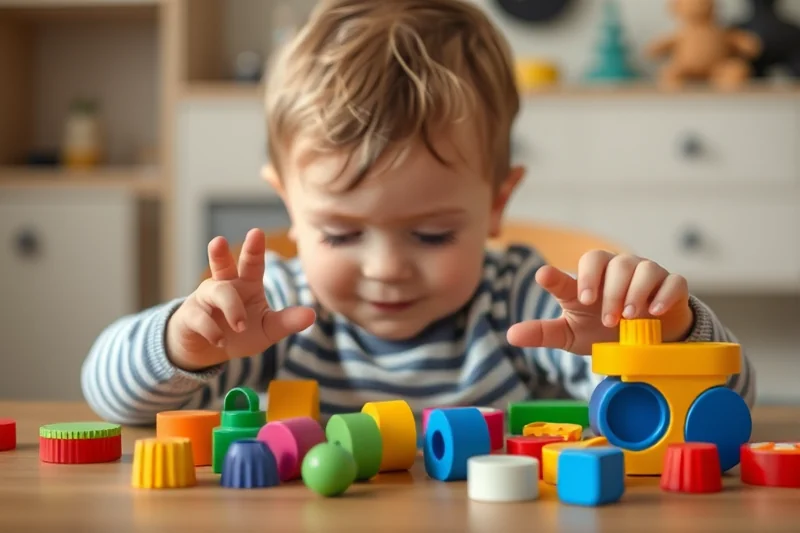
I remember the first time I dimmed the lights in my daughter’s bedroom and put on soft music — she looked at me like I had just handed her a magic wand. It was the first time in weeks that she had actually relaxed before bed. I realized that the environment had a huge impact on her ability to fall asleep. I started incorporating more sensory elements into our bedtime routine, like a nightlight, a warm bath, and a favorite stuffed animal.
A calm environment signals to your toddler that it’s time to sleep. I now make sure that her room is free of stimulating toys and screens, and that the temperature is cool and comfortable. We use a nightlight that glows softly, and I play classical music at a low volume while we read. These small changes made a big difference in her bedtime behavior.
I also started using a lavender-scented diffuser, which I found to be incredibly calming. I didn’t expect it to work, but the subtle aroma helped my daughter feel more at ease. The combination of soft lighting, calming sounds, and a peaceful environment became our go-to for helping her fall asleep faster and stay asleep longer.
The right environment can transform your toddler's bedtime from a battle to a ritual.
Related: Toddler routines ideas alternatives
Why Books and Stories Are a Must for Toddler Bedtime Routines
I used to think that reading a book before bed was just a way to fill time. But I quickly realized that it was one of the most important parts of our bedtime routine. The act of reading a story together helped us bond, and it also created a sense of calm and predictability. I now have a stack of favorite books that we go through every night, and my daughter looks forward to them as much as I do.
Books help your toddler transition from the day to sleep by engaging their imagination and providing a sense of closure. I now choose books with soft, calming stories and gentle illustrations, and I read them in a quiet, relaxed tone. My daughter has started asking for the same book every night, which gives her a sense of security and familiarity.
I also make sure to read the same book every night, which helps reinforce the routine. The repetition is comforting, and it gives my daughter a sense of control over her bedtime. We often read the same book for weeks, and it’s amazing how much she remembers and how much she looks forward to it.
Choose a bedtime book with soft illustrations and a calming story, and read it every night at the same time. This creates a sense of predictability and helps your toddler feel secure.
“I remember the first time I tried to get my 18-month-old daughter to bed before 8:30 p.m.”— Steadytoddler editors
Related: Modern toddler routines tips
The Power of a Predictable Toddler Bedtime Routine
I used to think that my toddler needed a lot of variety in her bedtime routine to stay engaged. But the truth is, toddlers thrive on predictability. They want to know what’s going to happen next, and a consistent routine gives them that sense of control. I now have a set sequence of activities that we do every night, and my daughter knows exactly what to expect.
The routine includes a bath, a story, a lullaby, and then bed. Each step is the same every night, and this has made a huge difference in her behavior. She now looks forward to bedtime and doesn’t fight it anymore. The predictability gives her a sense of security, and it helps her body know when it’s time to sleep.
I also try to keep the routine short and simple. It doesn’t take long — around 20 minutes — and it’s enough to help her wind down. I’ve found that the more predictable the routine, the easier it is for my toddler to fall asleep and stay asleep all night.[5]
Related: Toddler routines tips
How to Handle Resistance and Refusals in Toddler Bedtime Routines
I used to get frustrated when my toddler refused to go to bed. I thought I was doing something wrong, but I learned that resistance is a normal part of the process. Toddlers often push back when they feel out of control, and bedtime can be a time of anxiety for them. I now use a few strategies to help my daughter feel more in control and reduce resistance.
One strategy is to give her a choice in the bedtime routine. For example, I let her pick which book we read or which pajamas she wants to wear. This small amount of control helps her feel more at ease and reduces the likelihood of a meltdown. I’ve noticed that when she has a say in the routine, she’s more cooperative and less resistant.
I also use a visual schedule to help her understand what’s coming next. We have a picture chart that shows the steps in our bedtime routine, and I point to each step as we complete it. This helps her stay focused and reduces the anxiety that comes with bedtime. Over time, she’s learned to follow the routine without resistance.
⭐ Classic
The original recipe with whole grain banana bread and honey for a sweet finish.
💰 Budget
A more affordable version using store-bought banana bread and a reduced amount of honey.
⚡ Extra-Fast
Skip the baking and use store-bought banana bread with applesauce and honey for a quick snack.
✨ Depth
Add a touch of cinnamon or vanilla extract for extra flavor and aroma.
🥗 Light
Reduce the honey and use unsweetened applesauce for a lighter, healthier option.
| The mistake | Why it happens | The fix |
|---|---|---|
| Using screens before bedtime. | Screens can overstimulate your toddler and make it harder for them to fall asleep. | Avoid screens at least 30 minutes before bedtime. Instead, read a book or sing a lullaby to help your toddler wind down. |
| Having inconsistent bedtime hours. | Inconsistent bedtime hours can confuse your toddler and make it harder for them to fall asleep. | Set a consistent bedtime every night, even on weekends. This helps your toddler's body learn when to sleep. |
| Forcing your toddler to go to bed. | Forcing your toddler to go to bed can create resistance and make bedtime a battle. | Give your toddler a sense of control by letting them choose a book or a pajama. This helps them feel more at ease and less resistant. |
| Making the bedtime routine too long or too complicated. | A bedtime routine that's too long or too complicated can overwhelm your toddler and make it harder for them to fall asleep. | Keep the bedtime routine short and simple. Each activity should take about 5 to 10 minutes, and the entire routine should last between 20 to 30 minutes. |
Related: Toddler daily routines list
Beginner Toddler Bedtime Routines
Related: Top toddler bedtime routine ideas
Common Questions
How long should a toddler bedtime routine last?
Is it okay to deviate from the bedtime routine on weekends?
What if my toddler resists the bedtime routine?
Should I read the same book every night?
References
- Tips for Relying on Routines and Rules (cdc.gov)
- PDF How to Train Toddler to Put Self Back to Sleep During the Night (creighton.edu)
- PDF California WIC | Understanding Your Toddler: Tips for Helping Your ... (docs.wic.ca.gov)
- PDF Sweet Dreams Bedtime Routine (fipp-uat.ncdhhs.gov)
- PDF Parenting the Preschooler Routines - Extension (fyi.extension.wisc.edu)
Cite this guide
Steadytoddler (2026). Beginner Toddler Bedtime Routines. https://steadytoddler.com/beginner-toddler-bedtime-routines/
Feel free to cite or share this guide.