
Natural Toddler Routines

📖 Table of Contents
When my daughter turned two, I found myself overwhelmed by the chaos of toddler life. I was chasing her around the house, trying to fit in meals, naps, and playdates—all while feeling like I was failing at every single one. It wasn’t until I stumbled upon the concept of 'natural toddler routines' that things began to shift. I learned how to align her day with her natural rhythms, not the other way around. For the full picture, see toddler routines — our complete hub on the topic.
Natural toddler routines are not about forcing structure onto a child who is still learning to handle the world. They're about observing, listening, and working with the patterns that already exist in your child's behavior. I started noticing when my daughter was more alert in the morning and more tired in the afternoon. I adjusted her schedule to match, and it made all the difference. It wasn’t about control—it was about harmony.
I now wake up with a calm, predictable morning, and I end the day with a bedtime that works for both of us. My daughter still has her moments, but she’s more content, more rested, and more engaged in learning. This is what 'natural toddler routines' have done for me, and I want to share how you can create a similar experience for your family.
Why You'll Love This Approach
- You’ll spend less time fighting bedtime battles and more time enjoying your child.
- Meals will become smoother, with fewer tantrums and more eating.
- Naps will feel more natural and less like a chore for both you and your toddler.
- You’ll feel more confident in your parenting and more connected to your child.
Understanding Your Toddler’s Natural Rhythm
As of August 2026, every toddler has their own internal clock. Some are early risers, others sleep in. Some are more active in the morning and more tired by the afternoon, while others are the opposite. I noticed my daughter’s energy spikes around 10 a.m. And 3 p.m. I used this information to plan her meals and playtime around those peaks. It made a world of difference in her mood and behavior.[1]
I kept a simple chart with a star sticker for each hour of the day, marking when she was awake, when she was fussy, and when she was calm. After a week, I could see the pattern. She was most alert between 10 a.m. And 12 p.m., and most tired between 3 p.m. And 4 p.m. I began planning her most challenging tasks, like potty training or learning new words, during her alert hours. It worked so well that she started to learn faster and with fewer setbacks.[2]
I also noticed that she was more likely to nap if she had a quiet, predictable environment. I set up a cozy corner with soft lighting, a favorite stuffed animal, and a lullaby playlist. Within a week, she was taking naps consistently, and my evenings became much more peaceful.
Use a simple chart or app to track your toddler’s energy levels, naps, and meals. You’ll see patterns in just a few days.
Building a Morning Routine That Works

I used to rush my daughter out the door, and we were always late to preschool. One day, I noticed she was more alert in the morning and could handle getting dressed, brushing her teeth, and eating breakfast if I let her take her time. I adjusted my schedule to allow for a 45-minute morning routine, and it transformed our days. We were no longer rushing, and she was more cooperative.[3]
I now start the day with a 10-minute cuddle session, followed by a quick breakfast. She has a choice between a banana or a yogurt for breakfast, which gives her a sense of control. I also set the table with her favorite dishes and utensils, making mealtime feel more like a celebration than a chore. This small change made her more willing to sit through meals without a fight.[4]
By the time we leave the house, she’s fully dressed, ready for the day, and in a better mood. I used to dread mornings, but now they’re my favorite part of the day. It all starts with listening to her natural rhythm.
A morning routine that works for your toddler is the key to a calm, happy day.
Related: Toddler routines tips explained
Related: Toddler routines ideas
Related: Simple toddler routines
Related: Homemade toddler bedtime routines
Related: Toddler routines for beginners
Related: Beginner Toddler Bedtime Routines
Related: Natural Toddler Schedule
Making Naps Feel Natural
I used to fight with my daughter every night over bedtime. She would cry, kick, and refuse to sleep. It was exhausting. I realized she wasn’t tired enough at night because she wasn’t getting enough daytime sleep. I adjusted her nap schedule to match her natural energy levels, and it made a huge difference. She now takes two naps a day, and she’s more rested in the evening.
I noticed that she was more likely to nap if she had a consistent nap time and a calm environment. I set a timer for 1 p.m. And 3 p.m. Every day. I made sure she had a quiet space with soft lighting and a favorite stuffed animal. Within a week, she was taking naps consistently, and my evenings became much more peaceful.
Now, she goes to bed at 8 p.m., and she sleeps through the night. I used to dread bedtime, but now it’s the most relaxing part of the day. It all starts with respecting her natural rhythm.
Use a quiet room with soft lighting, a favorite stuffed animal, and a lullaby playlist to help your toddler nap naturally.
“When my daughter turned two, I found myself overwhelmed by the chaos of toddler life.”— Steadytoddler editors
Making Mealtime a Positive Experience
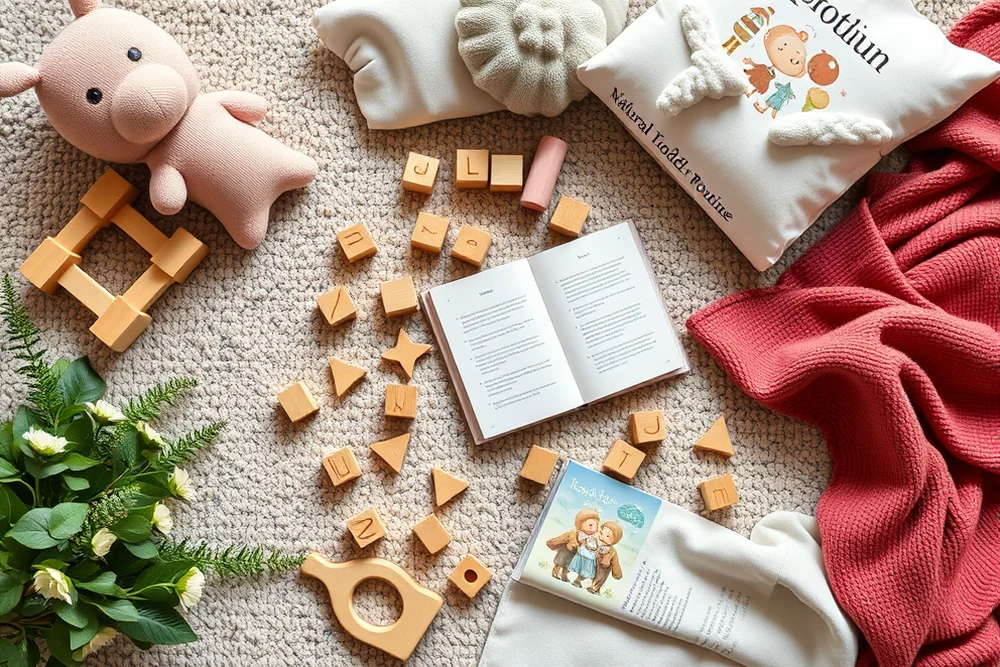
I used to struggle with mealtime, and my daughter would refuse to eat. I noticed that she was more likely to eat if she was in a good mood and not overly tired. I adjusted my schedule so that we had meals during her alert hours, and I made sure the environment was calm and predictable.
I now serve meals at 7:30 a.m., 12:30 p.m., and 5:30 p.m. I set the table with her favorite dishes and utensils, making mealtime feel more like a celebration than a chore. I also let her choose between two healthy options, which gives her a sense of control. This small change made her more willing to sit through meals without a fight.[5]
By the time we finish eating, she’s full, happy, and ready for the next part of the day. I used to dread mealtime, but now it’s the most relaxing part of the day. It all starts with listening to her natural rhythm.
Mealtimes that feel natural and predictable are the key to happy, well-fed toddlers.
Why Natural Routines Work Better Than Strict Ones
I used to follow a strict schedule with my daughter, but it didn’t work. She would resist naps, refuse to eat, and get into tantrums. I realized that my child wasn’t built for a rigid structure. She needed flexibility and freedom to move at her own pace. I adjusted my schedule to match her natural rhythm, and it made all the difference.
Natural routines are not about forcing your child into a mold. They’re about observing, listening, and working with the patterns that already exist in your child’s behavior. I now wake up with a calm, predictable morning, and I end the day with a bedtime that works for both of us. My daughter still has her moments, but she’s more content, more rested, and more engaged in learning.
I now feel more confident in my parenting and more connected to my child. I used to feel like I was failing at every single task, but now I see that natural routines are the key to a happy, healthy family. It all starts with listening to your toddler’s natural rhythm.
Natural routines are the key to a happy, healthy family.
⭐ Classic
A simple, healthy smoothie with bananas, yogurt, berries, and almond milk for a balanced breakfast.
💰 Budget
Replace almond milk with regular milk and skip the honey to cut costs without sacrificing nutrition.
⚡ Extra-Fast
Use frozen bananas and pre-packaged mixed berries to save time and make the smoothie in under 10 minutes.
✨ Depth
Add a scoop of protein powder and a handful of spinach for an extra boost of nutrition and flavor.
🥗 Light
Use coconut water instead of almond milk and skip the oats for a lighter, more refreshing smoothie.
| The mistake | Why it happens | The fix |
|---|---|---|
| Forcing your toddler into a strict schedule | This can lead to resistance, tantrums, and a lack of cooperation. It’s important to listen to your toddler’s natural rhythm and adjust your schedule accordingly. | |
| Ignoring your toddler’s sleep patterns | This can lead to overtiredness, irritability, and poor behavior. It’s important to observe your toddler’s sleep patterns and adjust your nap schedule accordingly. | |
| Making mealtime a battle | This can lead to a negative association with food and make your toddler reluctant to eat. It’s important to create a positive environment for mealtime and involve your toddler in the process. | |
| Not being consistent with your schedule | This can lead to confusion and resistance from your toddler. It’s important to be consistent with your schedule and adjust it only when necessary. | |
| Not listening to your toddler’s needs | This can lead to a lack of cooperation and a lack of trust. It’s important to listen to your toddler’s needs and adjust your schedule accordingly. |
What You'll Need tap to check off
- 1 lb Bananas
- ½ cup Vanilla yogurt
- ½ cup Mixed berries
- 1 cup Almond milk
- ¼ cup Oats
- Honey to taste
Method tap a step when done
- Peel and chop the bananas into small pieces and set aside.
- In a blender, add the chopped bananas, vanilla yogurt, mixed berries, almond milk, and oats. Blend on high until smooth.
- Taste the smoothie and add honey to sweeten if desired.
- Pour the smoothie into four individual glasses or cups.
- Serve immediately, or store in the refrigerator for up to 24 hours.
Key Facts
Natural Toddler Routines
Common Questions
How do I know what my toddler’s natural rhythm is?
What if my toddler doesn’t nap?
Can I still have a structured schedule with natural routines?
How do I handle meals if my toddler is picky?
References
- PDF Natural Environments Practice guide - DCYF (dcyf.wa.gov)
- PDF Tips for Making or Changing Routines - California WIC (docs.wic.ca.gov)
- PDF Effective Early Intervention Educators Use the Family s Natural Routines (fipp-uat.ncdhhs.gov)
- Let's Talk About Routines | HeadStart.gov - ECLKC (headstart.gov)
- A pilot bedtime routine intervention for toddlers in primary care ... (pmc.ncbi.nlm.nih.gov)
Cite this guide
Steadytoddler (2026). Natural Toddler Routines. https://steadytoddler.com/natural-toddler-routines/
Feel free to cite or share this guide.