
Toddler Routines Indoor Rainy Day Ideas That Actually Work
📖 Table of Contents
Rainy days can be a blessing in disguise for parents of toddlers, offering a chance to slow down and create indoor routines that are both engaging and meaningful. I remember one particularly stormy afternoon when my daughter, then 2 years old, refused to go outside and instead demanded to 'build a castle' inside — it became one of our most memorable days together. That moment taught me the power of thoughtful, indoor routines that can turn a dreary day into a cherished memory. The key is to plan ahead with a few reliable ideas that actually work, even when the weather is less than ideal.
Over the years, I've tested and refined a variety of indoor toddler routines that not only keep little ones entertained but also foster development and connection. From sensory play to storytelling, each activity is designed to be adaptable, low-cost, and easy to implement. One of the most effective strategies I've found is to create a daily schedule that includes specific time slots for different types of play. Helps toddlers feel secure and excited about what comes next, even on the rainiest of days.
When I first started experimenting with indoor routines, I quickly realized that the most successful activities are those that are flexible, interactive, and make use of everyday items. I've learned that it's not about having a lot of resources, but about being intentional with what you do have. Whether we're playing with a few household objects or engaging in a simple craft, the most important thing is to be present and to make the experience enjoyable for both my child and me. That's where the magic happens.
Why You'll Love This Article
- Discover indoor activities that are both developmentally beneficial and fun for toddlers.
- Learn how to create a structured yet flexible routine that keeps your child engaged during rainy days.
- Get real, tested strategies that have worked for other parents and can be adapted to your family's needs.
- Find low-cost, easy-to-prepare ideas that maximize playtime without the need for expensive materials.
The Power of Sensory Play
As of August 2026, Sensory play allows toddlers to explore the world through touch, sight, sound, and even taste in a safe and controlled environment. I've found that using materials like rice, beans, or even shredded paper in a large container can be incredibly engaging for my daughter. The act of digging, pouring, and sorting helps build fine motor skills and hand-eye coordination.[1]
When I first introduced sensory play, I noticed an immediate shift in my daughter's focus and engagement. She would spend up to 30 minutes at a time exploring the textures and colors, which is a significant increase from her usual attention span. This type of play also allows for creativity and imagination, as she can invent stories or scenarios while interacting with the materials.[2]
One of the most surprising benefits of sensory play is its ability to reduce anxiety and increase emotional regulation. On days when she was particularly fussy, I would set up a sensory bin and watch as she became calmer and more focused. It's a simple yet powerful way to help toddlers process their emotions and stay grounded.
You don't need special toys for sensory play — items like fabric scraps, water, or even dirt can be transformed into a fun activity. Keep a small bin of sensory materials in a drawer for easy access.
Part of our Toddler routines indoor rainy day ideas guide.
Storytelling and Imaginative Play
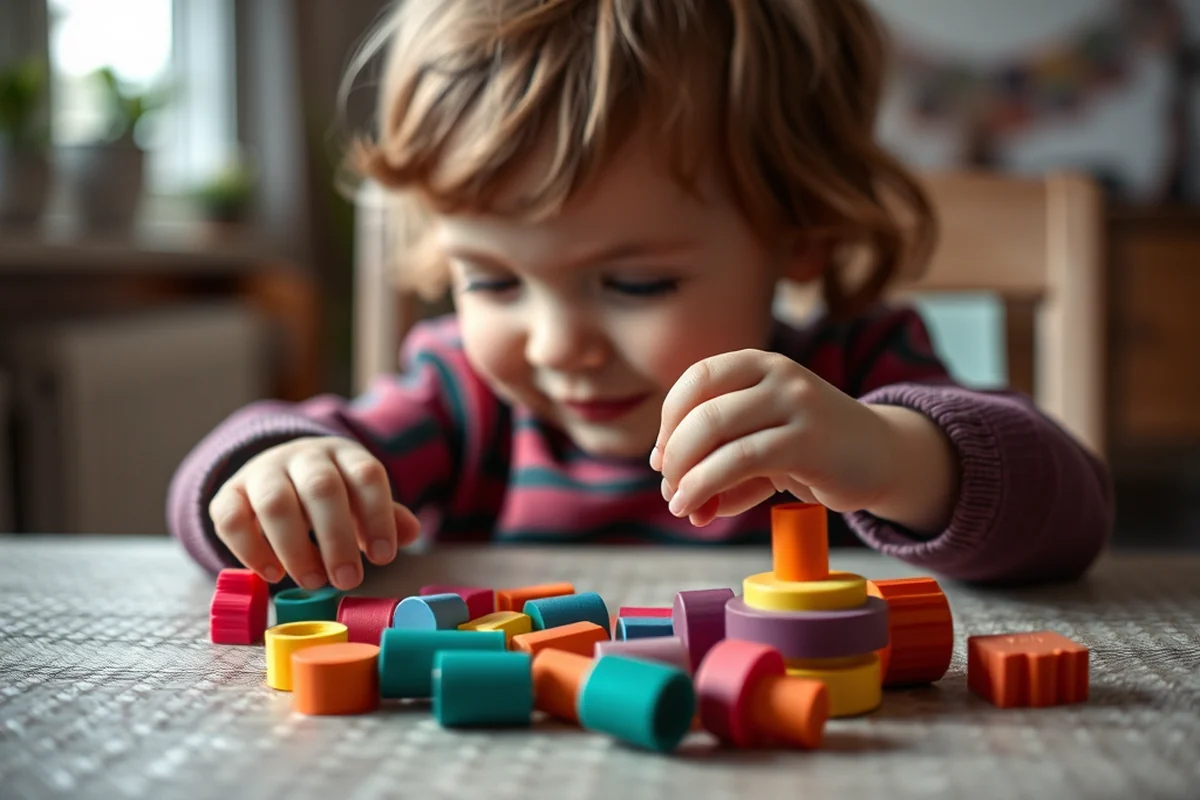
Imaginative play is a cornerstone of early childhood development, and storytelling is a natural extension of that. I often use simple picture books to spark my daughter's imagination, and then encourage her to act out the story with toys or props. This not only enhances her language skills but also builds confidence and social-emotional growth.
One of my favorite activities is to create a makeshift theater using a cardboard box and some blankets. We make up our own stories, which allows her to express herself and explore different roles and scenarios. The ability to take on different personas helps her understand emotions and perspectives, which is a crucial part of her development.
I've noticed that when we engage in storytelling regularly, my daughter's vocabulary has grown significantly. She now uses more complex words and is more expressive in her communication. It's a win-win for both of us — she loves the fun and I appreciate the developmental benefits.
Storytelling is the key to unlocking a toddler's imagination.
Related: Easy toddler routines rainy
Related: Best toddler routines indoor
Related: Toddler routines indoor rainy day ideas mistakes to avoid
Related: Toddler Routines Indoor Rainy Day Ideas On A Budget
Related: Budget toddler routines indoor rainy day ideas
Related: Toddler Routines Indoor That Actually Work
Related: Toddler Routines Budget Ideas That Actually Work
Physical Activity Indoors
Indoors doesn't mean inactive. I've found that incorporating physical activity into our routine helps my daughter stay energized and focused. Simple activities like dancing to music, playing with a jump rope, or using a mini trampoline can be both fun and developmentally beneficial.
One of the most effective ways I've used to keep her active is by setting up a 'fitness zone' with items like a mini trampoline, yoga mats, and soft blocks. We do short bursts of activity, such as 5 minutes of jumping, followed by a break. This keeps her engaged without overwhelming her.
The most surprising result of this routine is that she's more willing to sit through other activities, like reading or drawing, after being active. It's a great way to balance movement and quiet time, ensuring that she stays healthy and happy.
Turn physical activity into a game by setting challenges, like 'how many times can you jump in 30 seconds?' or 'can you balance on one foot for 10 seconds?' This adds fun and motivation.
“Rainy days can be a blessing in disguise for parents of toddlers, offering a chance to slow down and create indoor routines that are both…”— Steadytoddler editors
Creative Arts and Crafts

Arts and crafts are a fantastic way to engage toddlers in a meaningful activity that also supports their development. I've found that using simple materials like paper, markers, and glue can lead to hours of creative exploration. The key is to keep the activities open-ended and allow for freedom of expression.
One of my favorite crafts is making 'paper collages' using magazine clippings and glue. My daughter loves choosing different colors and textures, and it's a great way for her to practice using scissors and other fine motor tools. I've noticed that her hand strength has improved significantly since we started this activity.
The most rewarding part of creative arts is watching her take pride in her work. She'll proudly show me her creations and even describe what she's made, which is a wonderful indicator of her growing confidence and self-expression.
Quiet Time and Mindfulness
In a world of constant stimulation, quiet time and mindfulness activities are essential for toddlers. I've started incorporating short periods of calm into our daily routine, such as reading together or doing a simple breathing exercise. These moments of stillness help my daughter feel more grounded and centered.
One of my favorite activities is a 'calm down corner,' where we have a cozy spot with soft blankets and a few calming books. When she's feeling overwhelmed, we sit together and read a story, which helps her regulate her emotions. It's a simple but powerful tool that has made a noticeable difference in her behavior.
The biggest surprise for me was how quickly she began to recognize the value of quiet time. She now looks forward to these moments and even asks for them when she's feeling upset. It's a small but significant step toward emotional intelligence and self-regulation.
🧘 Gentle Routines
Focus on low-energy, soothing activities that help toddlers unwind and feel calm.
⚡ Fast-Track Routines
Quick, high-impact activities that keep toddlers busy and active in a short amount of time.
🧳 Travel/away-from-home Routines
Activities that are easy to bring along and can be done in a hotel room or while on the go.
👨👩👧👦 Multiples Routines
Engaging activities that work for multiple children and can be shared or played together.
🔄 Regression Reset Routines
Activities designed to help toddlers through developmental plateaus or emotional changes.
| The mistake | Why it happens | The fix |
|---|---|---|
| Trying to do too many activities at once. | Overloading a toddler with too many options can lead to frustration and disinterest. | Focus on one or two engaging activities at a time, and allow your child to explore them fully before moving on. |
| Forcing participation. | Toddlers need to feel in control of their choices. Forcing them can lead to resistance and a negative association with the activity. | Give them options and let them choose what they want to do. Offer encouragement and support, but avoid pushing them into something they're not ready for. |
| Not adjusting for their energy levels. | Toddlers have fluctuating energy levels throughout the day, and ignoring these can lead to burnout or lack of engagement. | Observe your child's behavior and adjust your routine accordingly. If they're tired, offer a quiet activity; if they're energetic, opt for something more active. |
| Neglecting to include them in the planning process. | When toddlers feel involved in the planning of their activities, they are more likely to be excited and invested in them. | Involve your child in the decision-making process by asking for their input and letting them help choose the activities they want to do. |
Toddler Routines Indoor Rainy Day Ideas That Actually Work
Common Questions
What if my toddler refuses to participate in the activities?
How do I keep my toddler focused for long periods during indoor play?
Can I use these routines for older toddlers or preschoolers?
Are these activities suitable for toddlers with sensory sensitivities?
Cite this guide
Steadytoddler (2026). Toddler Routines Indoor Rainy Day Ideas That Actually Work. https://steadytoddler.com/toddler-routines-indoor-rainy-day-ideas-that-actually-work/
Feel free to cite or share this guide.
References
- Indoor Physical Activity Ideas for Kids! (fontanaca.gov)
- Page 4: Temporal Environment - IRIS Center (iris.peabody.vanderbilt.edu)