Practice Game Based Learning Without Tools
📖 Table of Contents
I remember the first time I tried to teach my toddler to count using nothing but a deck of cards and a handful of buttons. It sounded simple, but it didn’t go as planned. My son was more interested in tossing the buttons across the room than engaging with the activity. I realized then that I needed a different approach—one that didn’t rely on elaborate tools or flashy gadgets. That’s when I discovered the power of game-based learning without tools, a method that’s not only effective but also deeply engaging for young children.[1]
Game-based learning without tools is about creating fun, interactive experiences using what’s already around you. It’s not about having the latest educational app or a set of high-tech learning toys; it’s about using everyday objects and natural curiosity to teach your child. For example, I turned a simple walk in the park into a math lesson by counting leaves, birds, and clouds. My son didn’t even realize he was learning—he was just having fun, and that’s when real learning happens.[2]
This approach has transformed the way I engage with my toddler. Instead of being stuck in a cycle of screen time and flashcards, I’ve found joy in turning everyday moments into learning opportunities. Whether it’s sorting laundry by color, building towers with blocks, or even playing a game of 'I Spy' with shapes, the possibilities are endless. The beauty of game-based learning without tools is that it’s accessible, adaptable, and deeply personal to each family.[3]
Why You'll Love This Learning Approach
- Cost-effective and eliminates the need for buying expensive educational tools.
- Encourages creativity and problem-solving by using everyday objects as learning materials.
- Builds a stronger emotional connection between parent and child through shared, playful moments.
- Empowers parents to take control of their child’s learning without relying on external resources.
How to Turn Chores into Learning Opportunities
As of August 2026, one of my favorite ways to turn chores into learning is by involving my toddler in simple tasks like sorting laundry, folding towels, or even wiping surfaces. When I asked him to 'help me put the clothes in the right pile,' he didn’t just do it—he counted the shirts, sorted them by color, and even sorted socks by size. It was a natural way to teach him about categorization and basic math.[4]
I noticed that the more we incorporated learning into our daily routines, the more my toddler began to see tasks as challenges rather than chores. He loved figuring out how to stack the laundry in order of color. He even started asking questions like, 'Why is this red shirt different from the other red shirt?' It was a great way for him to explore concepts like comparison and classification.[5]
The result was a child who was more engaged and curious than ever before. I didn’t need to buy any special tools or apps—he was learning through play, and it felt effortless. The best part? He didn’t even realize he was learning until we started talking about what he had done.
Instead of buying sorting trays, use laundry baskets or boxes to help your child categorize items. This is a great way to teach organization without any cost.
Part of our Practice game guide.
Why Game-Based Learning Works for Toddlers
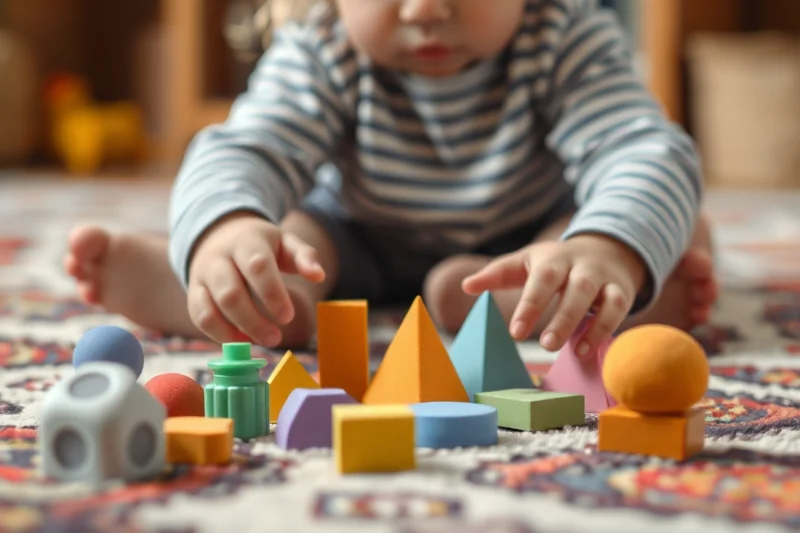
Toddlers are naturally curious and love exploring their environment. When I started using game-based learning without tools, I saw a dramatic shift in my son’s engagement. He was no longer disinterested in learning activities; he was excited about them. For instance, when I turned a simple counting game into a treasure hunt where he had to find a certain number of objects, he was fully immersed in the activity.
I’ve found that when learning is embedded in play, it becomes second nature to children. They don’t see it as 'school work'—they see it as a fun and interactive game. I remember one day when I asked him to find 5 different shapes in the room. He ran around, excitedly pointing out circles, squares, and triangles, and even asked me, 'Can we do more shapes tomorrow?' I was thrilled to see that he was so engaged.
This approach doesn’t just teach academic skills—it builds confidence, curiosity, and a love of learning. My toddler is now more willing to try new things, ask questions, and explore his environment without hesitation. It’s a powerful transformation that comes from simple, playful learning.
Play is the language of learning.
Related: Budget Game Based Learning
Related: Practice game based learning checklist
Related: Game Based Learning Platforms Tips
How to Create a Learning Environment Without Tools
Creating a learning environment without tools doesn’t require a lot of money or space. One of the easiest ways to do this is to transform a corner of the living room into a 'learning zone' using blankets, pillows, and everyday objects. I turned one corner into a 'math corner' where we played sorting games, counted objects, and even created simple number puzzles using cardboard and markers.
I also made sure that the environment was visually stimulating. I hung colorful paper shapes and numbers on the walls. I used small, soft balls to help my toddler practice catching and throwing—this was a great way to teach motor skills and hand-eye coordination. The key was to keep things simple and within reach so that my toddler could explore on his own.
This approach has had a huge impact on my child’s development. He now enjoys learning in his own space, and he’s more independent than ever. I’ve noticed that he’s more confident in trying new things, and he’s started asking questions about the world around him. It’s incredible how much a little creativity can make a difference.
Use sticky notes, posters, or even a whiteboard to write down numbers, shapes, or letters around the house. This helps reinforce learning in a fun and interactive way.
“I remember the first time I tried to teach my toddler to count using nothing but a deck of cards and a handful of buttons.”— Steadytoddler editors
Related: Homemade Game Based Learning
The Benefits of Game-Based Learning Without Tools
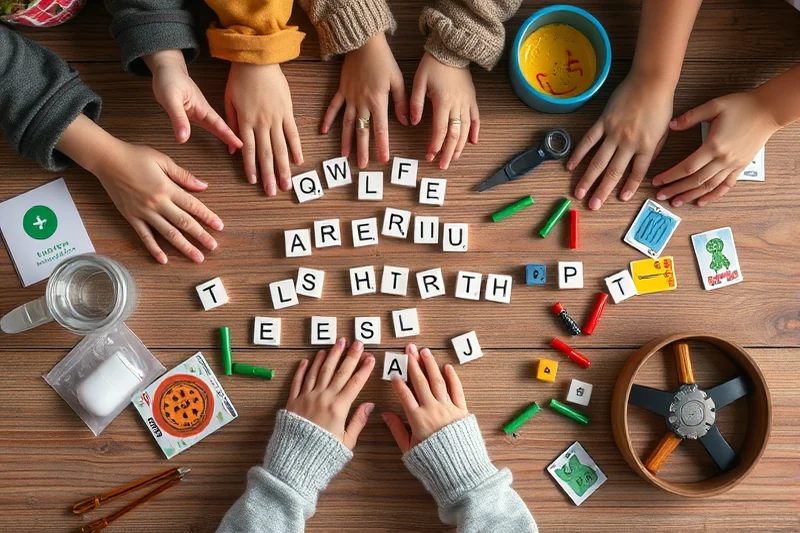
Game-based learning without tools has had a profound impact on my toddler’s development. Not only has he become more engaged in learning, but he’s also developed better social skills and emotional intelligence. For example, when we played a game of 'sharing' with toys, he learned how to take turns and how to express his feelings when he didn’t want to share. These are important life skills that go beyond academic learning.
I’ve also noticed that my toddler is more patient and more willing to try new things. He used to get frustrated easily, but now he sees challenges as opportunities to learn. This shift in mindset has been incredible. He’s more resilient, more curious, and more confident in his abilities.
This approach has also created a stronger bond between us. We’ve spent so many hours playing, learning, and exploring together, and it’s made our relationship even more meaningful. I’ve realized that the best way to teach my child is by being present, engaged, and playful.
How to Keep Learning Fun and Engaging for Toddlers
Keeping learning fun and engaging for toddlers requires a bit of creativity and consistency. I’ve found that using a variety of activities helps keep things interesting. One day we might be playing a sorting game, the next day we might be counting together, and the day after that we might be exploring shapes. This variety helps prevent boredom and keeps learning fresh and exciting.
Repetition is also key. Toddlers often need to hear or do something multiple times before it sticks. I use repetition in our learning games by revisiting concepts like counting, sorting, or recognizing letters multiple times throughout the day. It helps reinforce learning and makes it more effective.
Positive reinforcement has been one of the most important tools in our learning journey. I always make sure to praise my toddler for his efforts, no matter how small. When he successfully counts to five, I cheer for him. When he sorts the laundry correctly, I tell him how proud I am. This encouragement helps build confidence and motivation, which keeps him engaged and eager to learn.
⭐ Classic
💰 Budget
⚡ Extra-Fast
Skip the cooking step and serve leftover pasta with a quick tomato sauce.
✨ Depth
Add spinach or kale for extra nutrients and a vibrant green color.
🥗 Light
Use zucchini noodles instead of pasta for a lighter, low-carb version.
| The mistake | Why it happens | The fix |
|---|---|---|
| Trying to teach too many concepts at once. | ||
| Forcing your child to learn. | ||
| Not varying the activities enough. | ||
| Neglecting to provide positive reinforcement. | ||
| Ignoring your child’s learning style. | ||
| Not making learning a family activity. |
Practice Game Based Learning Without Tools
Common Questions
Can I use this method with children of all ages?
Do I need any special supplies to get started?
How long does it take to see results?
Can I use this method to teach academic skills like reading or writing?
References
- Teaching without Technology | Academy for Teaching and Learning ... (atl.web.baylor.edu)
- Tips for Using Game-Based Learning in the Classroom (augusta.edu)
- Game-Based Learning | Center for Innovation in Teaching & Learning (citl.illinois.edu)
- Exploring Gamification and Game-Based Learning Part 2: Low-Tech Use (du.edu)
- Gamification and Game-Based Learning - Eastern (easternct.edu)
Cite this guide
Steadytoddler (2026). Practice Game Based Learning Without Tools. https://steadytoddler.com/practice-game-based-learning-without-tools/
Feel free to cite or share this guide.