
Toddler Routines Routines For Small Spaces
📖 Table of Contents
I remember the day my toddler turned two and suddenly became a whirlwind of energy, demanding attention at all hours. We lived in a one-bedroom apartment, and the idea of establishing a routine felt impossible. I had heard about the benefits of toddler routines, but I didn’t know where to start, especially in a small space. That’s when I realized that small spaces don’t have to mean chaotic lives — they just need clever, tailored routines.
I spent weeks experimenting with different schedules, trying to balance her needs with our limited square footage. Eventually, I found that small spaces actually offer unique advantages for toddler routines: they’re easier to clean, the toddler is always close, and transitions are faster. The key was to design a system that respected our space and still gave her the structure she needed. My toddler routines for small spaces became less about the size of the room and more about the intention behind the plan.
One of the most important realizations was that routines don’t require a big house. My toddler now has a predictable morning and bedtime, even in our 500-square-foot apartment. It’s not perfect, but it’s functional, and it’s helped us create a calm, consistent environment for her. I’ve learned that toddler routines for small spaces are about creativity, flexibility, and making the most of what you have — and that’s something every parent with limited space can use.
Why You'll Love This System for Small Spaces
- Create consistency without needing extra room
- Maximize space with clever storage and layout ideas
- Simplify transitions for both parent and toddler
- Make the most of your small area without sacrificing routine
The Power of Morning Routines in Small Spaces
As of August 2026, in our apartment, the morning routine started at the same time every day — 7:30 AM. That consistency helped my toddler adjust quickly, even in a space that didn’t have a separate room for sleeping. I set up a small corner with a soft mat and a few toys, and she would wake up, stretch, and slowly move into the day. I noticed that the predictability of the morning routine made her feel secure, even in a tiny space.[1]
We kept the space clean and organized by using a small basket for her clothes and a shelf for her morning essentials. I made sure to have her breakfast items prepped the night before, so we could move quickly without feeling rushed. It took about five minutes to get her dressed and ready for the day. That small window of time became her favorite part of the morning — a quiet, calm moment before the chaos of the day began.
One of the hardest parts was making sure she didn’t feel like the space was too small for her. I used soft, neutral colors for her routine area, and I made sure that the toys and activities were things she could handle on her own. It didn’t take long before she started to see that her corner was a special place, not a cramped space — and that made all the difference.
Designate a small area of your apartment as a morning zone. Use soft mats, simple toys, and keep it clutter-free. It helps toddlers feel safe and grounded, even in small spaces.
Part of our Toddler routines routines schedules guide.
Why Consistency is Key for Toddlers in Small Spaces
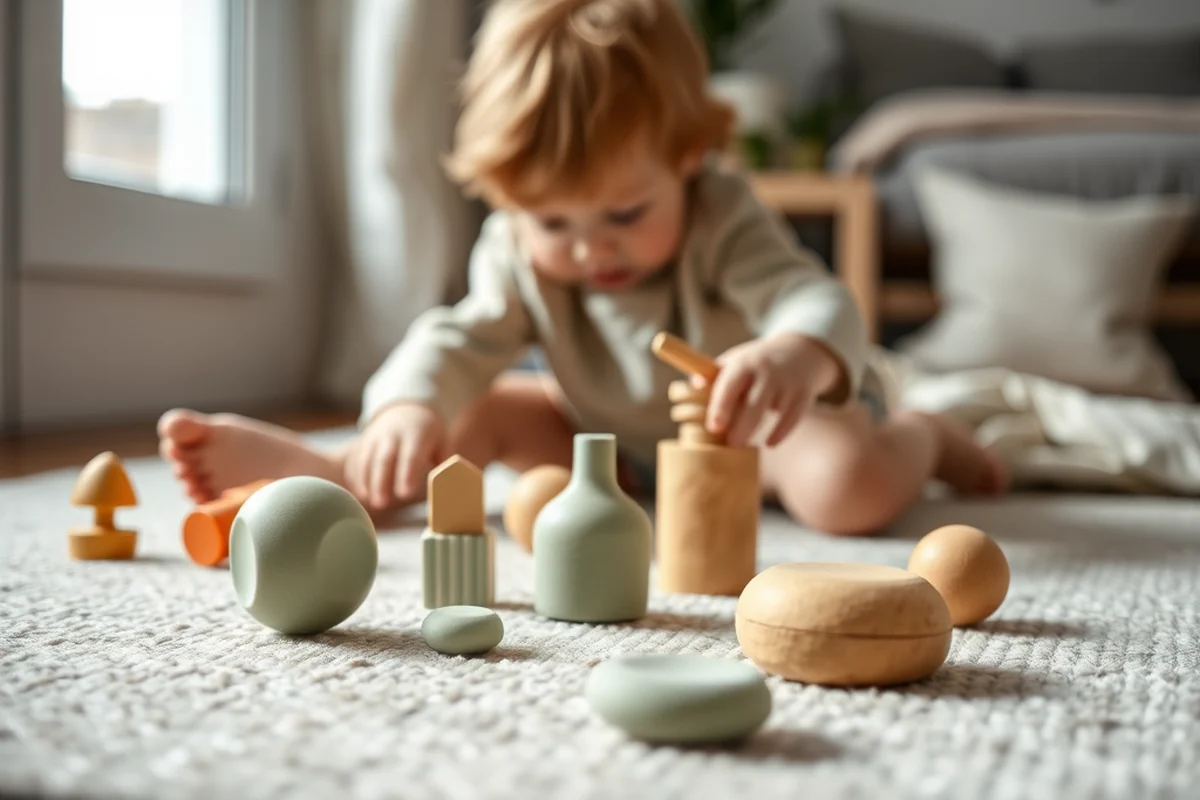
I quickly learned that consistency was the secret to making our small space work for toddler routines. If we changed things too often — like moving her routine corner or altering the morning schedule — she became anxious and unpredictable. That’s why we stuck to the same time, the same location, and the same steps each day, even if we were traveling or staying with family.
The predictability helped her feel safe. She didn’t need to worry about where her toys were, or how long we would be at the park, or what time we would go to bed. Everything was set, and that gave her a sense of control in a world that often felt too big for her. We didn’t have a lot of space, but we had a lot of peace.
I noticed that the more consistent we were, the easier it became for her to adapt. We didn’t have to explain much — she just knew what to expect. That consistency helped us both breathe, even in a small space.
Consistency in routines makes chaos feel predictable.
Related: Diy toddler routines routines
Related: Budget toddler routines routines
Related: Simple toddler routines routines schedules
Related: Toddler Routines Budget For Small Spaces
Related: Toddler Routines Indoor For Small Spaces
Related: Toddler Routines Stage For Small Spaces
How to Maximize Space Without Compromising Routines
One of the most effective ways to make our small space work was to get creative with storage. We used a few baskets and shelves to keep everything in its place — and we made sure that every item had a specific home. We even used the backs of doors for hanging storage, which kept the floor clear and gave us more room to move.
We also invested in a few multi-purpose items that could be used for different parts of her day. A small mat could be used for morning play, a floor during nap time, and a seat during mealtime. It was versatile and didn’t take up a lot of space. We made sure that everything we owned was functional, not just decorative.
I also found that keeping a few things on hand was key. We always had a few snacks, a few books, and a few toys that were easy to grab and move. That flexibility helped us keep the space from feeling too cluttered, and it made our toddler routines easier to manage in a small space.
Invest in items that can be used for different parts of the day, like a mat for morning routines, a floor for naps, and a seat during meals. It saves space and keeps your toddler routines running smoothly.
“I remember the day my toddler turned two and suddenly became a whirlwind of energy, demanding attention at all hours.”— Steadytoddler editors
Nap Time Strategies for Small Spaces
Nap time was one of the most challenging parts of our routine, especially in a small space. We didn’t have a separate room for her to nap, so we had to get creative. We used a small, foldable crib that we could move from room to room, and we made sure that the area where she napped was always quiet and free from distractions.
We also found that using blackout curtains helped her sleep better, even in the middle of the day. We didn’t have a lot of space, but we made sure that her nap area was as comfortable as possible. It didn’t take long for her to associate the crib with sleep, and that became a helpful tool for managing her nap time.
We also found that having a few familiar items — like a favorite blanket or stuffed animal — helped her feel safe and secure. It was a small thing, but it made a big difference in her ability to settle down quickly and stay asleep.
The Importance of Transition Times in Small Spaces
In our small space, transitions were the most important part of our routine. We had to make sure that moving from one activity to another was smooth and predictable, or else things would get chaotic. We used a simple visual schedule — a few pictures on a board — to show what was coming next. It helped her understand the flow of the day and made transitions easier.
We also made sure to give her a few minutes to process each transition. We wouldn’t rush her from nap time to dinner, or from playtime to bedtime. We gave her time to adjust, and that helped her feel more in control of her environment. It was a small change, but it made a big difference in how she handled the day.
We found that consistency and communication were the keys to managing transitions. We talked to her about what was coming next, and we made sure she knew what to expect. That helped her feel secure, even in a small space.
💤 Gentle Approach
Focus on slow, soft transitions with lots of sensory support. Great for sensitive toddlers.
⏱️ Fast-Track Routine
Ideal for busy parents who need quick, efficient routines without sacrificing structure.
🧳 Travel/Workaway Routine
Tailored for frequent travel or living away from home, with portable and flexible tools.
👶 Multiples Routine
Designed for parents of twins or multiples, with shared and individual routine elements.
🔄 Regression Reset Routine
Helps toddlers regain structure during developmental milestones or setbacks.
| The mistake | Why it happens | The fix |
|---|---|---|
| Trying to fit too many activities into one space. | This can lead to chaos, and it’s hard for your toddler to focus on any one task. | Keep the space simple and focused on one or two main activities at a time. Rotate activities as needed to avoid sensory overload. |
| Overlooking the need for privacy or quiet time. | Even in small spaces, toddlers need moments of calm and personal time to process their day. | Designate a small, quiet corner or use a curtain to create a sense of privacy for nap time or quiet activities. |
| Not adjusting the routine for the toddler’s age or developmental stage. | A routine that works for a 1-year-old may not be appropriate for a 2-year-old, and failing to adapt can lead to resistance and frustration. | Tailor your routine to your toddler’s current needs and developmental stage. Adjust nap times, play activities, and transitions as needed. |
| Neglecting to involve the toddler in the routine. | Toddlers benefit from feeling involved and in control, which helps them adapt more easily to routines. | Involve your toddler in the routine by letting them choose a toy or activity, or by using simple visual cues to help them understand what’s coming next. |
Toddler Routines Routines For Small Spaces
Common Questions
Can small spaces really support a toddler routine?
How do I keep my toddler engaged in a small space?
What if we have limited storage space?
How can I make nap time easier in a small space?
References
Cite this guide
Steadytoddler (2026). Toddler Routines Routines For Small Spaces. https://steadytoddler.com/toddler-routines-routines-for-small-spaces/
Feel free to cite or share this guide.