
Easy Toddler Schedule

📖 Table of Contents
As a parent of two toddlers, I know how exhausting it can be to keep up with their energy levels and unpredictable schedules. One morning, I found myself scrambling to get out the door, trying to juggle breakfast, getting dressed, and getting my youngest to stop crying because he hadn’t had his nap yet. That day, I realized that having an easy toddler schedule wasn’t just a convenience—it was a necessity. I started experimenting with small changes, like setting a consistent wake-up time and creating a visual routine board, and the difference it made in my day-to-day life was transformative. For the full picture, see toddler routines — our complete hub on the topic.[4]
Creating an easy toddler schedule doesn’t have to be complicated. I learned this the hard way—by trying to reinvent the wheel each day and ending up with chaos. The real breakthrough came when I adopted a simple, consistent structure that worked for my family. It was based on real, observable needs: when my toddler was most alert, when he needed rest, and when he could engage in play or learning. I began using a visual timer and a set sequence of activities, and suddenly, the chaos began to settle into something that felt doable and predictable.[5]
Over time, I’ve refined this approach into a system that not only helps my toddlers stay on track but also gives me peace of mind. The key is to keep the schedule flexible yet intentional. I’ve included specific times for meals, naps, and play, and I’ve made sure that each activity is short and engaging enough for my toddler’s attention span. This easy toddler schedule has become the backbone of our day, and it’s made handling the whirlwind of toddler life feel more manageable.
Why You'll Love This Easy Toddler Schedule
- Reduces stress by creating predictable routines
- Helps toddlers develop self-regulation and independence
- Saves time by minimizing constant decision-making
- Strengthens family bonding through shared structure
The Power of Routine for Toddlers
As of August 2026, when toddlers have a clear routine, they learn to expect what comes next, which helps them manage their emotions and behaviors. I noticed a significant drop in tantrums after introducing a predictable schedule. My toddler now knows when snack time is, when nap time is, and when it's time to clean up. This structure gives them a sense of control and reduces the chaos that comes with uncertainty.
Creating a routine doesn't mean you have to be rigid. I allow for some flexibility, like if my toddler is particularly tired or overstimulated, I might adjust the timing slightly. But overall, the consistency is what makes the difference. It took me a few weeks to find the right balance. Once I did, the results were clear: my toddler was calmer, my home was more peaceful, and I had more time to focus on other things.
I use a visual schedule board with pictures and a timer to help my toddler understand the flow of the day. It's amazing how much this simple tool has helped. Not only does it keep my toddler engaged, but it also gives me a quick way to reference the schedule when things get busy. I've found that the visual aspect is especially helpful for toddlers who are still learning to read or follow instructions verbally.
Use large, colorful pictures and simple labels to create a visual schedule. This helps toddlers understand and follow the daily routine without confusion.
How to Build an Easy Toddler Schedule

Building an easy toddler schedule starts with identifying the key activities in a day—meal times, naps, playtime, and quiet time. I usually begin by planning the most important parts of the day first, like when my toddler should be asleep and when he should be active. Once these are set, I fill in the gaps with other activities that match his energy levels.
I found that keeping each activity short and focused is crucial. For example, I might have a 20-minute play session followed by a 10-minute snack. This keeps my toddler engaged without overwhelming him. It also helps me stay on track, as I can easily reference the schedule without getting bogged down in details.[1]
One thing I learned early on was to be flexible with the schedule. I used to get frustrated if my toddler didn't stick to the plan, but I realized that toddlers are still developing their self-regulation skills. Now, I focus on being consistent while allowing for some wiggle room. This balance has made the whole process much more enjoyable for both of us.
Consistency is key, but flexibility is what makes the schedule work for your family.
Related: Toddler daily routines
Related: Toddler daily routines list
Related: Modern toddler routines tips
Related: Toddler routines ideas alternatives
Related: Toddler routines ideas printable
Related: Best Toddler Schedule
Sample Schedule for a Toddler’s Day
A sample easy toddler schedule might look like this: wake-up at 7:30 AM, breakfast at 8:00 AM, playtime from 8:30 AM to 9:30 AM, snack at 10:00 AM, nap from 10:30 AM to 12:00 PM, lunch at 12:30 PM. Bedtime by 8:00 PM. This gives my toddler a clear structure and helps me manage my time better.[2]
I make sure each activity is short enough for my toddler's attention span. For example, I keep playtime to 30 minutes and snack time to 15 minutes. This helps keep things moving without overwhelming my toddler. I also make sure to include quiet time, which is important for winding down and preparing for sleep.[3]
One of the most important parts of my toddler's day is the nap. I've found that a consistent nap time helps my toddler be more alert and cooperative during the rest of the day. I use a timer to signal when it's time to nap, and I've noticed that my toddler now goes to sleep more easily and stays asleep for longer periods.
A visual or audible timer can help toddlers understand when one activity is ending and another is beginning. This makes transitions smoother and less stressful for both parent and child.
“As a parent of two toddlers, I know how exhausting it can be to keep up with their energy levels and unpredictable schedules.”— Steadytoddler editors
Making the Schedule Work for Your Family
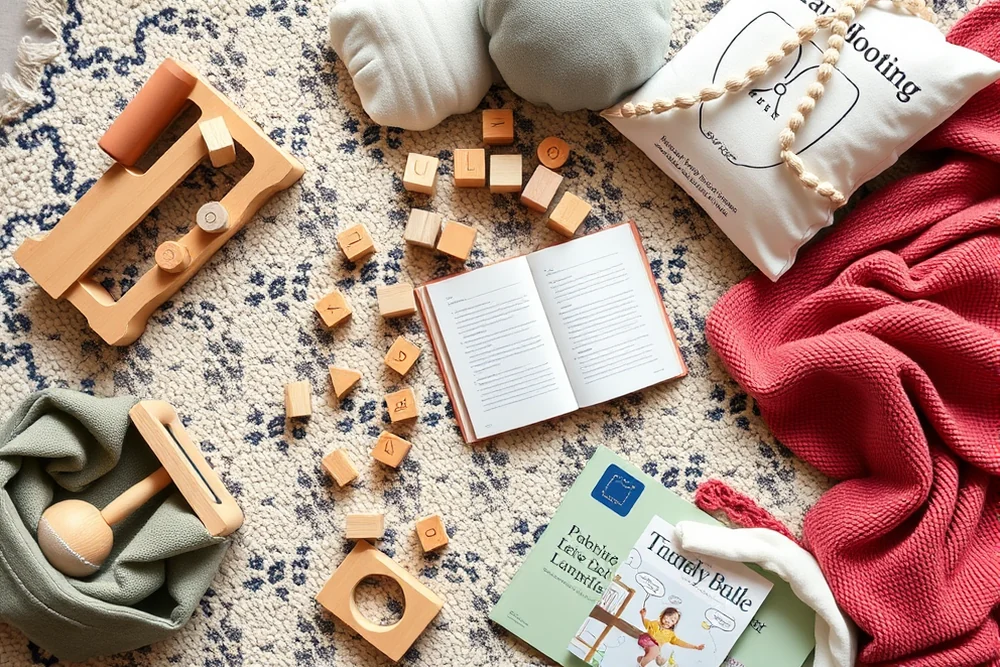
Every family is different, so it's important to tailor your toddler's schedule to your unique needs and lifestyle. I didn’t use the same schedule when I was working from home as I did when I was at the office full-time. Flexibility is key, and I’ve learned that the most important thing is to find a schedule that works for my family, not one that I see online or in a parenting book.
I’ve found that involving my toddler in the schedule-making process helps him feel more invested in the routine. For example, I let him choose between two activities for a particular time slot. This gives him a sense of control and makes the schedule more enjoyable for him. It’s also a great way to teach him about choices and responsibility.
I’ve also learned that it’s okay to adjust the schedule as needed. If something isn’t working, I don’t hesitate to make changes. For instance, if my toddler is having trouble with a particular activity, I’ll swap it out for something else that keeps him engaged. This trial-and-error approach has helped me find the perfect balance that works for our family.
The Benefits of a Structured Toddler Day
A structured toddler day has so many benefits, from reducing stress to promoting healthy habits. I’ve noticed that my toddler is more cooperative and less prone to tantrums when he has a clear schedule to follow. This makes the day smoother and more enjoyable for both of us.
Another benefit of a structured day is that it supports my toddler’s development in various areas, such as language, social skills, and motor development. By including a variety of activities in the schedule, like reading, playing with blocks, and drawing, I’m giving him opportunities to learn and grow in different ways.
I’ve also found that a structured day helps me manage my time more effectively. With a clear schedule, I know what needs to be done and when, which reduces the stress of last-minute decisions. This has made a huge difference in my daily life, and I’ve noticed that I have more time to focus on other things, like work or personal projects.
⭐ Classic
A straightforward snack with whole grain bread, nut butter, and strawberries.
💰 Budget
Use peanut butter instead of nut butter to save money.
⚡ Extra-Fast
Skip the baking step and serve the bread with nut butter and strawberries.
✨ Depth
Add a sprinkle of cinnamon or a drizzle of honey for extra flavor.
🥗 Light
Use low-fat nut butter and skip the honey to reduce calories.
| The mistake | Why it happens | The fix |
|---|---|---|
| Being too rigid with the schedule | This can cause frustration and stress for both parent and child. | Allow for some flexibility and adjust the schedule as needed. |
| Ignoring the toddler's needs | This can lead to resistance and a breakdown in the routine. | Be attentive to your toddler's needs and make adjustments accordingly. |
| Trying to implement too many changes at once | This can overwhelm your toddler and make it harder to establish a routine. | Make small changes and build on them gradually. |
| Not involving the toddler in the process | This can make the toddler feel like the schedule is being imposed on them. | Involve your toddler in the process and give them choices to help them feel more invested. |
Easy Toddler Schedule
Common Questions
How do I handle unexpected changes in my toddler's schedule?
Can I use this schedule for multiple toddlers?
What if my toddler refuses to follow the schedule?
How long does it take to create a schedule?
References
- PDF TODDLERS (YOUNG TODDLER) DAILY SCHEDULE - Andrews University (andrews.edu)
- PDF TODDLER SCHEDULE - University at Buffalo (buffalo.edu)
- PDF Toddlers & Twos Daily Schedule OR - cdl.illinois.edu (cdl.illinois.edu)
- PDF Daily Routine for Infants and Toddlers (childcare.uci.edu)
- PDF Toddler at home Schedule - cpeip.fsu.edu (cpeip.fsu.edu)
Cite this guide
Steadytoddler (2026). Easy Toddler Schedule. https://steadytoddler.com/easy-toddler-schedule/
Feel free to cite or share this guide.