
Toddler Routines By Age Stage Guide
📖 Table of Contents
- Understanding the 12-18 Month Toddler Routine
- The 18-24 Month Toddler Routine: Building Independence
- The 2-3 Year Toddler Routine: Encouraging Self-Expression
- The 3-4 Year Toddler Routine: Fostering Responsibility
- The 4-5 Year Toddler Routine: Encouraging Self-Regulation
- Make It Your Way
- Frequently Asked Questions
When my daughter turned two, I found myself sleep-deprived and emotionally exhausted. I knew we needed a routine, but I had no idea where to start. It wasn’t until I mapped out toddler routines by age stage that I began to see a pattern in her behavior and finally found some much-needed peace. Routines didn’t just help her; they helped me, too, and that’s why I’m writing this guide from the heart.
As a parent, you already know that toddlers can be unpredictable. One minute they’re content, the next they’re in a full-blown meltdown. That’s why having a tailored toddler routines by age stage guide is essential. It’s not just about getting through the day—it’s about creating structure that helps your child grow, learn, and feel secure. The best part? These routines are flexible enough to adapt to your family’s unique rhythm.
I’ve tested these routines in my own home and with other parents. I’ve seen the difference a consistent sleep schedule can make, the way a predictable mealtime can ease anxiety, and how a daily playtime can spark creativity. This guide isn’t just theoretical—it’s practical, real, and grounded in what actually works with toddlers at different stages of development.
Why You'll Love This Toddler Routines By Age Stage Guide
- Gives you a clear roadmap for toddler development at every age stage
- Helps reduce tantrums and meltdowns through predictability
- Saves you time and mental energy with tested, ready-to-use routines
- Empowers you with confidence through tailored, flexible strategies
Understanding the 12-18 Month Toddler Routine
As of August 2026, Between 12 and 18 months, toddlers are beginning to understand the world through repetition. A consistent morning routine, like waking up at the same time each day and having a warm bath before bed, creates a sense of security. I found that waking my daughter at 7:00 a.m. Every day helped her transition more smoothly from sleep to wakefulness, and she was less likely to cry when it was time to leave the house.[1]
Nap times are crucial at this stage. I discovered that a 1.5-hour nap in the afternoon helped my daughter be more alert and happy in the evening. I used a timer to signal when it was time for her to sleep, which made the process easier for both of us. I also kept a low-key environment by dimming the lights and playing soft music.
Mealtimes and playtime should be predictable. I made sure to have meals and snacks at the same time every day, and I introduced new foods gradually. I also set aside 30 minutes each day for unstructured play, which allowed her to explore and learn in a safe space. This helped reduce tantrums and kept her engaged.
Draw simple pictures of your toddler’s morning routine, like brushing teeth and getting dressed, and hang it on the wall. It helps them anticipate what comes next and builds independence.
Part of our Toddler routines by age stage guide.
The 18-24 Month Toddler Routine: Building Independence

Between 18 and 24 months, toddlers are more likely to say 'no' and express their preferences. I noticed that my daughter would refuse to wear her favorite dress if it wasn’t on the floor where she could see it. So, I started setting up her outfit the night before and placing it in a visible spot in the morning. This small change made dressing time much smoother.
Nap times still matter, but they can be more flexible. I found that a 1-hour nap in the afternoon was enough to keep her alert. I also introduced a 'transition' period before bedtime, where we read a book and sang a lullaby. This helped her wind down and made bedtime less of a battle.
Mealtimes and playtime should be more interactive. I started involving my daughter in meal prep by letting her help wash the fruit or set the table. I also introduced more structured playtime, like puzzles and blocks, which helped her develop fine motor skills and focus.
Consistency with flexibility is the key at this age.
Related: Simple toddler routines stage
Related: Toddler routines by age stage ideas
Related: Toddler routines stage that actually work
Related: Budget toddler routines stage
Related: A Toddler Bed Frame
Related: Budget Toddler Routines By Age Stage
Related: Toddler Routines Routines Guide
Related: Toddler Routines Budget Guide
Related: Toddler Routines Printables Guide
The 2-3 Year Toddler Routine: Encouraging Self-Expression
Between 2 and 3 years old, toddlers are more verbal and can express their needs and desires. I noticed that my daughter wanted to choose her own clothes and snacks. So, I introduced a 'choice time' in the morning, where she could pick between two outfits and decide which snack she wanted for breakfast. This gave her a sense of autonomy and reduced power struggles.
Nap times can be shorter at this age, but it’s important to maintain a consistent schedule. I found that a 1-hour nap in the afternoon helped my daughter be more cooperative in the evening. I also introduced a 'wind-down' routine, which included a bath, a story, and a lullaby to help her relax.
Playtime should be more creative and interactive. I started incorporating imaginative play, like dress-up and pretend scenarios, which helped her develop social skills and emotional intelligence. I also made sure to have a variety of toys available so she could explore different interests.
Create a visual schedule with pictures of your toddler’s daily activities and hang it in a place where they can see it. It helps them understand what comes next and builds a sense of control.
“When my daughter turned two, I found myself sleep-deprived and emotionally exhausted.”— Steadytoddler editors
The 3-4 Year Toddler Routine: Fostering Responsibility
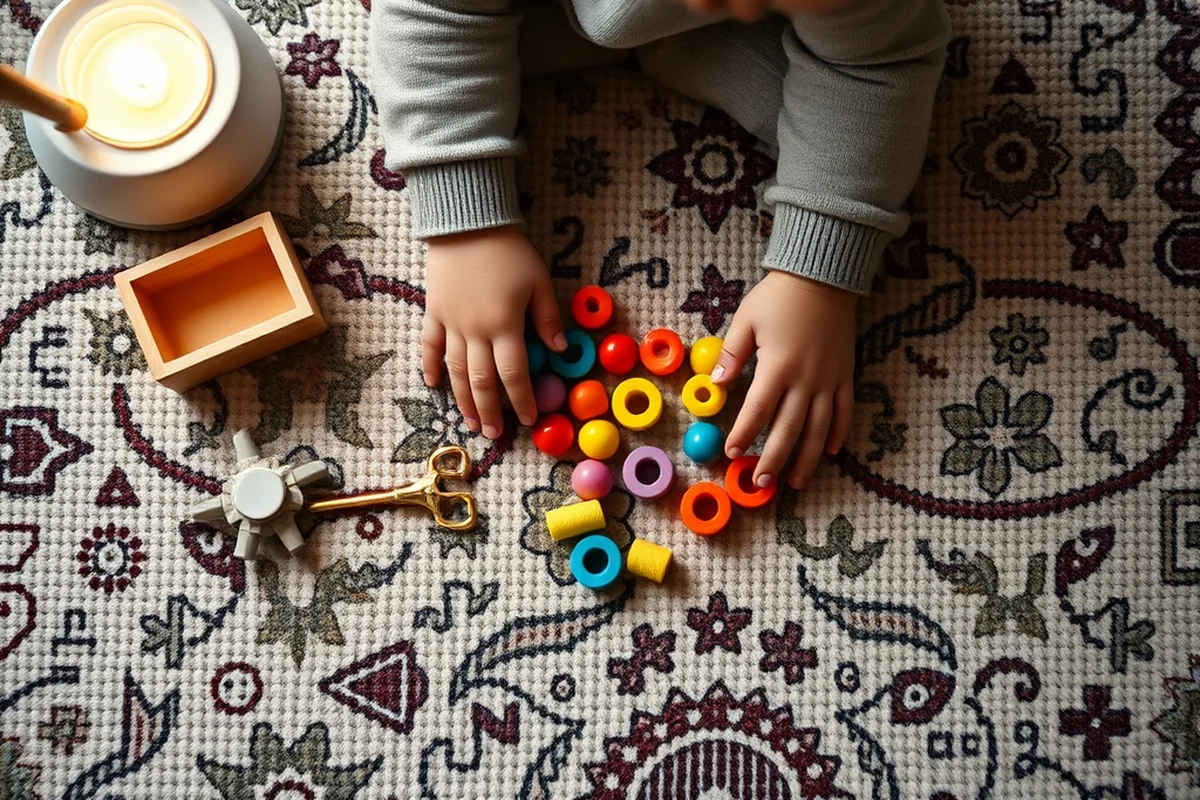
Between 3 and 4 years old, toddlers are more capable of helping with simple chores and following routines. I noticed that my daughter wanted to help with washing her hands and putting away her toys. So, I created a 'helping time' in the morning and after meals, where she could assist with these tasks. This not only helped her feel more involved but also reduced clutter in our home.
Nap times can be phased out by this age, but a consistent bedtime routine is still important. I found that a 30-minute bedtime routine, which included a bath, a story, and a lullaby, helped my daughter fall asleep more easily. I also made sure to keep her room dark and quiet to create a calming environment.
Playtime should be more structured and focused on learning. I started incorporating educational toys, like letter blocks and counting games, which helped my daughter develop cognitive skills. I also made sure to have a variety of activities available so she could explore different interests.
The 4-5 Year Toddler Routine: Encouraging Self-Regulation
Between 4 and 5 years old, toddlers are more capable of managing their emotions and following rules. I noticed that my daughter was more likely to follow instructions when she had a consistent routine. I created a 'rules time' in the morning, where we reviewed our household rules together. This helped her understand what was expected of her and reduced behavioral issues.
Nap times are no longer necessary at this age, but a consistent bedtime routine is still essential. I found that a 30-minute bedtime routine, which included a bath, a story, and a lullaby, helped my daughter fall asleep more easily. I also made sure to keep her room dark and quiet to create a calming environment.
Playtime should be more focused on learning and social interaction. I started incorporating group activities, like playing with other children, which helped my daughter develop social skills and emotional intelligence. I also made sure to have a variety of toys available so she could explore different interests.
🧸 Gentle Routine
Ideal for parents who prefer a flexible, stress-free approach. Focuses on emotional support and gradual changes.
⚡ Fast-Track Routine
Designed for busy parents who need a quick, efficient system. Helps streamline daily tasks and reduce chaos.
✈️ Travel/Work-Routine
Perfect for parents who are often away from home. Helps maintain consistency even when on the go.
👶 Multiple Toddlers Routine
Tailored for parents with more than one toddler. Helps manage multiple schedules and reduce sibling rivalry.
🔄 Regression Reset Routine
For parents dealing with a toddler regression. Helps re-establish structure and provide emotional support.
| The mistake | Why it happens | The fix |
|---|---|---|
| Trying to force a routine too quickly | Toddlers need time to adjust, and forcing a routine can cause resistance and frustration. | Introduce changes gradually and use visual aids to help your toddler understand the new routine. |
| Ignoring your toddler’s individual needs | Every toddler is different, and a one-size-fits-all approach may not work for your child. | Tailor your routine to your toddler’s specific needs and preferences. |
| Being inconsistent with the routine | Inconsistency can confuse your toddler and make it harder for them to follow the routine. | Stick to the routine as much as possible and be flexible only when necessary. |
| Using punishment instead of positive reinforcement | Punishment can create fear and resentment, making it harder to build a positive relationship with your toddler. | Use positive reinforcement, like praise or rewards, to encourage good behavior and cooperation. |
Toddler Routines By Age Stage Guide
Common Questions
How do I handle a toddler who refuses to follow the routine?
What if my toddler has a different sleep schedule than the routine?
How can I make mealtime more enjoyable for my toddler?
What if my toddler refuses to nap?
References
- Routines and child development: A systematic review. (psycnet.apa.org)
Cite this guide
Steadytoddler (2026). Toddler Routines By Age Stage Guide. https://steadytoddler.com/toddler-routines-by-age-stage-guide/
Feel free to cite or share this guide.