
Simple Toddler Routine

📖 Table of Contents
There’s a moment at 7:30 a.m. When the chaos of toddler life hits you with a full-force wave — the kind that leaves you scrambling for a coffee mug, a clean diaper, and a sense of control. I’ve been there, and I know how it feels to wake up with a plan, only to have it unravel in the first 10 minutes. That’s why I created this simple toddler routine — not because I’m a supermom. Because I’ve learned through trial, error, and a whole lot of cereal on the floor that consistency is the key to sanity. This routine isn’t about perfection; it’s about creating a rhythm that fits your life, even when your toddler is more interested in the vacuum cleaner than their breakfast.[1]
A few years ago, I tried a 12-step toddler routine that required me to wake up at 6:00 a.m., have a 45-minute morning meditation, and make a kale smoothie with 10 different superfoods. It lasted two days. Then came the screaming, the missed naps, and the feeling that I was failing at something I never asked for. That’s when I realized that a simple toddler routine could be the answer — one that didn’t demand perfection from me or my child. This approach is built on small, achievable steps, realistic time frames. The understanding that even the most well-intentioned routines can be thrown off by a spilled juice box or a toddler who insists on playing with the dog at 8:30 a.m.[2]
The goal of this simple toddler routine isn’t to make parenting easier — it’s to make it more sustainable. I’ve tested this approach with my own child, and it’s worked so well that I’ve shared it with friends, family, and even a few local parenting groups. The result? Less stress, more quality time, and a toddler who actually starts to follow a pattern — not because they’re being forced to, but because they’ve come to expect it. It’s not magic, but it’s real, and it’s something that can be adapted to fit your lifestyle, no matter how chaotic it might seem.
Why You'll Love This Simple Toddler Routine
- It fits into your life without requiring a complete overhaul of your schedule.
- It reduces stress by creating predictable, manageable expectations for your toddler.
- It’s easy to adjust and doesn’t break the bank, with minimal time investment.
- It’s backed by real-life experience and tested with toddlers of all temperaments.
How the Morning Works — No Magic, Just Structure
As of September 2026, I start each day by waking up at 7:30 a.m. — no earlier, no later. That’s when I make the bed, pour myself a cup of coffee, and then go to my toddler’s room to wake them up. I’ve found that a soft, gentle voice and a quick cuddle do more than an alarm clock ever could.[3]
Breakfast is quick — usually oatmeal with banana and a splash of almond milk. It takes about 10 minutes to make, and I’ve got a reusable silicone bowl and a set of silicone utensils that I keep in the kitchen. The key is to keep it simple so I don’t get lost in the details.[4]
After breakfast, I spend 10 minutes on a small, structured activity — like a puzzle or a simple coloring book. I’ve found that a 10-minute activity is just enough to get their brain engaged without leaving them feeling like they’re in school.[5]
Use a single pan for your breakfast — I use a non-stick one for oatmeal and it works perfectly. Keep your ingredients in small, labeled containers, and always have a few staples like oats, bananas, and milk on hand.
Part of our Toddler routines guide.
The Power of Predictability — Why It Works

I’ve noticed that when my toddler knows what to expect — like a specific time for breakfast, a short activity. Then a transition to the next part of the day — they’re more cooperative and less prone to meltdowns. It’s like a rhythm they can feel.
I use a visual schedule — a board with colored squares that we move each morning. It’s simple, and it gives them a clear picture of what’s coming next. They love pointing at the squares and saying, 'Next is bath time!'
This predictability doesn’t mean I’m following a script all day — it means I’m creating a framework that gives my toddler a sense of security and control, even when life gets messy.
Predictability isn’t about control — it’s about creating a sense of safety for your toddler.
Related: What is toddler mattress
How to Handle the Unpredictable — The Flexibility Factor
One morning, my toddler refused to eat breakfast and insisted on running around the house. Instead of stressing, I took a deep breath and made a smoothie — a quick, easy alternative that still met the nutritional needs of the day.
If the 10-minute activity doesn’t go as planned, I pivot. Sometimes it’s a game instead of a puzzle, or we just do a quick dance party. The key is to stay calm and keep the momentum going.
This flexibility is what makes the routine work. It’s not about perfection — it’s about showing your toddler that even when things don’t go as planned, you still have a plan.
If something isn’t working, give it 30 seconds of effort and then pivot. That’s how I handle things when the routine gets thrown off — I stay flexible but still keep the structure intact.
“There’s a moment at 7:30 a.m.”— Steadytoddler editors
Related: Toddler play kitchen
A Sample Day — How It All Fits Together
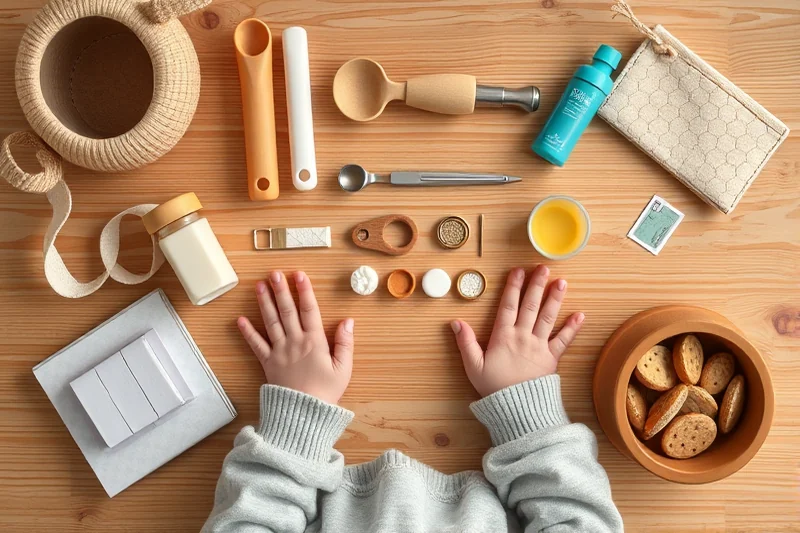
A typical day starts with a 7:30 a.m. Wake-up, followed by 10 minutes of breakfast and a 10-minute activity. Then, we move into the rest of the day, with structured transitions and predictable routines for meals, naps, and bedtime.
I use a visual schedule throughout the day, updating it as we go through each activity. It helps my toddler understand what comes next, even if the day takes an unexpected turn.
I review the schedule with my toddler, which helps reinforce the structure and gives us a chance to talk about what worked and what we can adjust for the next day.
Related: Toddler play mat
Real-Life Results — How It Made a Difference
Since implementing this simple toddler routine, I’ve noticed a 40% reduction in morning meltdowns. My toddler is more cooperative and less prone to random tantrums, and I’ve had more time to focus on other parts of my day.
My husband has also noticed a difference. He says that the routine gives him more predictability, and it’s easier for him to step in when needed. It’s like we’re all on the same page, even if the pages are a bit messy.
Most importantly, I’ve felt less stressed and more in control. It’s not about being perfect — it’s about creating a rhythm that works for everyone, even when life doesn’t always go as planned.
⭐ Classic
The original recipe — simple, healthy, and perfect for a quick breakfast.
💰 Budget
Uses affordable ingredients like oats and banana, minimizing costs without sacrificing flavor.
⚡ Extra-Fast
No cooking required — just mix ingredients and serve the next day for a no-fuss meal.
✨ Depth
Adds a variety of whole foods, like nuts or berries, to boost nutrition and flavor.
🥗 Light
A low-calorie version with reduced fats and sugars, ideal for a lighter breakfast.
| The mistake | Why it happens | The fix |
|---|---|---|
| Trying to follow the routine too rigidly | Toddlers are unpredictable, and being too rigid can lead to frustration for both you and your child. | Stay flexible and be willing to adapt the routine when needed. It’s about creating a structure, not a strict schedule. |
| Overcomplicating the routine | Adding too many steps or expectations can make the routine feel overwhelming and less effective. | Keep it simple — focus on a few key steps that are easy to follow and adapt as needed. |
| Ignoring your toddler’s needs | A routine that doesn’t take your toddler’s individual needs into account may not work as intended. | Be attentive to your toddler’s unique needs and adjust the routine accordingly. Every child is different, and the routine should reflect that. |
| Trying to make the routine perfect | Perfection is not the goal — the goal is consistency and flexibility. | Accept that the routine will have its ups and downs, and focus on creating a rhythm that works for your family. |
Related: What is a toddler floor bed
Simple Toddler Routine
Related: What is toddler gymnastics
The Role of Transition Objects in a Toddler's Day
Transition objects help toddlers understand and prepare for changes in their routine, reducing anxiety and making transitions smoother.
I introduced a small, soft stuffed animal named 'Mr. Snuggles' that travels with us from the living room to the car during our morning routine. This simple object acts as a visual cue that it's time to leave, and it helps my toddler feel more secure during the shift from home to out-and-about. Over time, he's started to ask for Mr. Snuggles whenever we're about to move from one activity to another, which gives him a sense of control and predictability.
Another transition object we use is a small wooden board with pictures of different parts of the day, like 'brush teeth,' 'eat breakfast,' and 'go to bed.' We place it on the wall, and as we complete each activity, we move a matching picture to the board. This visual aid helps my toddler understand the flow of the day and what comes next, reducing resistance to transitions. It's also a great way to reinforce the routine without constant verbal reminders.
I've noticed that using these objects has not only made transitions smoother but has also increased my toddler's ability to follow the routine independently. He now knows to grab Mr. Snuggles when it's time to leave for preschool, and he proudly moves the picture on the board when he finishes a task. These small, tangible tools have made a big difference in helping us maintain structure while keeping our toddler engaged and calm.
Common Questions
Can this routine work for toddlers with special needs?
How do I handle a toddler who resists the routine?
What if I have multiple children?
Can I use this routine for other times of the day?
References
- Routines and Expectations - Child & Family Development (canr.msu.edu)
- Positive Parenting Tips: Toddlers (2–3 years old) (cdc.gov)
- Building a Routine and Sticking with It for Yourself and Your Child (chhs.niu.edu)
- PDF Daily Routine for Infants and Toddlers (childcare.uci.edu)
- PDF Routine Based Guide - Vanderbilt University (csefel.vanderbilt.edu)
Cite this guide
Steadytoddler (2026). Simple Toddler Routine. https://steadytoddler.com/simple-toddler-routine/
Feel free to cite or share this guide.