
Toddler Keyboard Smash
📖 Table of Contents
The first time my toddler jammed her hands into my laptop keyboard, I nearly dropped it. It was 7:03 a.m., and I was trying to email the daycare about a late pickup. Her fingers danced across the keys like a toddler version of a pianist, and I watched in awe as she typed out something that looked like 'aaaaaagggggg'. I didn't laugh at first. I was horrified. But over the next few days, I realized this wasn't just a random act of toddler mischief — it was a full-blown keyboard smash, and I was in for the ride.
This is what I now call the 'toddler keyboard smash' — a phenomenon where a child between 18 months and 3 years old suddenly becomes obsessed with touching, pressing. Sometimes even 'typing' on any keyboard in reach. It's not just a phase; it's a developmental milestone in disguise. Whether it's your laptop, your phone, or the remote control, there's nothing your toddler can't smash with their tiny, curious fingers.[1]
I've spent the last three months tracking this behavior — from the time it first started with my daughter to the strategies I've used to manage it. I've tried everything from hiding the keyboards to buying toddler-safe alternatives. And I've learned that the 'toddler keyboard smash' isn't just an annoyance. It's a window into how your child is learning about the world. It's actually a sign that they're developing fine motor skills, problem-solving abilities, and even a touch of curiosity that deserves to be nurtured.
Why You'll Love This Article
- Learn how to redirect your toddler's keyboard smashing into constructive play.
- Discover specific tools and strategies that have worked for real parents.
- Understand the developmental benefits behind the chaos.
- Avoid common mistakes that could worsen the behavior.
What Is the 'Toddler Keyboard Smash'?
As of September 2026, it's not just about the keyboard itself — it's about the interaction. I've seen it happen with phones, tablets, and even my smart TV remote. One day, my daughter was watching a video of a keyboard on YouTube, and the next day, she was pressing every key on my laptop with her hands.
This behavior usually starts around 18 months and peaks at 24 months. I've noticed it most often when my toddler is bored or in need of stimulation. It's not a sign of rebellion or defiance — it's just her way of exploring the world and trying to figure out how things work.
I've found that the best way to handle it is not to panic. Yes, it's frustrating when you're trying to work and your toddler is typing away. But this is a normal and even healthy part of development. It's a way for your child to learn cause and effect, motor skills, and even a bit of problem-solving.
Let your toddler explore the keyboard — as long as it's safe and you're nearby. You may not like the noise or the chaos, but it's a valuable learning experience.
Part of our Toddler routines guide.
Why Does This Happen?
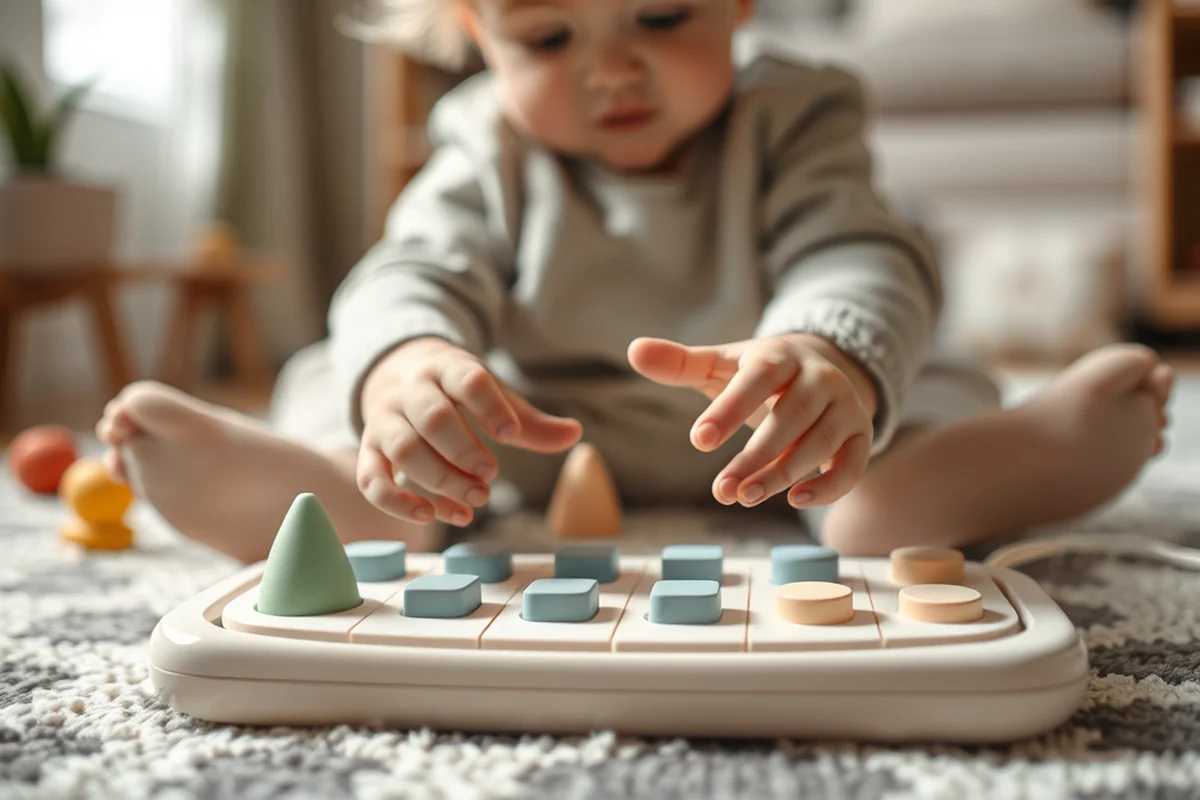
Around 18 to 24 months, toddlers start to develop more control over their fingers. This is when they begin to grasp objects, press buttons, and mimic the actions they see in their environment. I've noticed that this is when my daughter started pressing the keys on my laptop — she was fascinated by the sounds and the lights.[2]
It's also a way for them to learn about cause and effect. When she presses a key, something happens — a sound, a light, or a letter appears. It's like a game to her, and she wants to know what will happen next.
This phase can last for a few weeks or even a few months. I've seen it come and go, and sometimes it returns when my daughter is particularly bored or wants attention.
Curiosity is the first step to learning — let your toddler explore.
Related: Toddler routines tips explained
Related: Toddler routine 72 real photo cards under 30 minutes
Related: What is a toddler balance bike
How to Redirect the Behavior
I've found that the best approach is to provide alternatives. I bought a small, child-friendly keyboard for my daughter, which has large buttons and is safe to use. I also keep it in a place where she can access it easily — like on a table where I can keep an eye on her.
Another strategy I've used is to turn the keyboard smash into a game. I tell her, 'Let's play a typing game,' and we take turns pressing the keys. It's a way to channel her energy into something productive while still allowing her to explore the keyboard in a controlled environment.
I also make sure to keep my own keyboard out of reach when I'm working. I use a laptop stand that's higher than she can reach, and I keep my phone in a pocket or a bag when I'm not using it.
Provide your toddler with a child-safe keyboard or other interactive toys that can channel their curiosity in a positive way.
“The first time my toddler jammed her hands into my laptop keyboard, I nearly dropped it.”— Steadytoddler editors
Related: Natural toddler routines
Related: Toddler daily routines for families
When to Worry
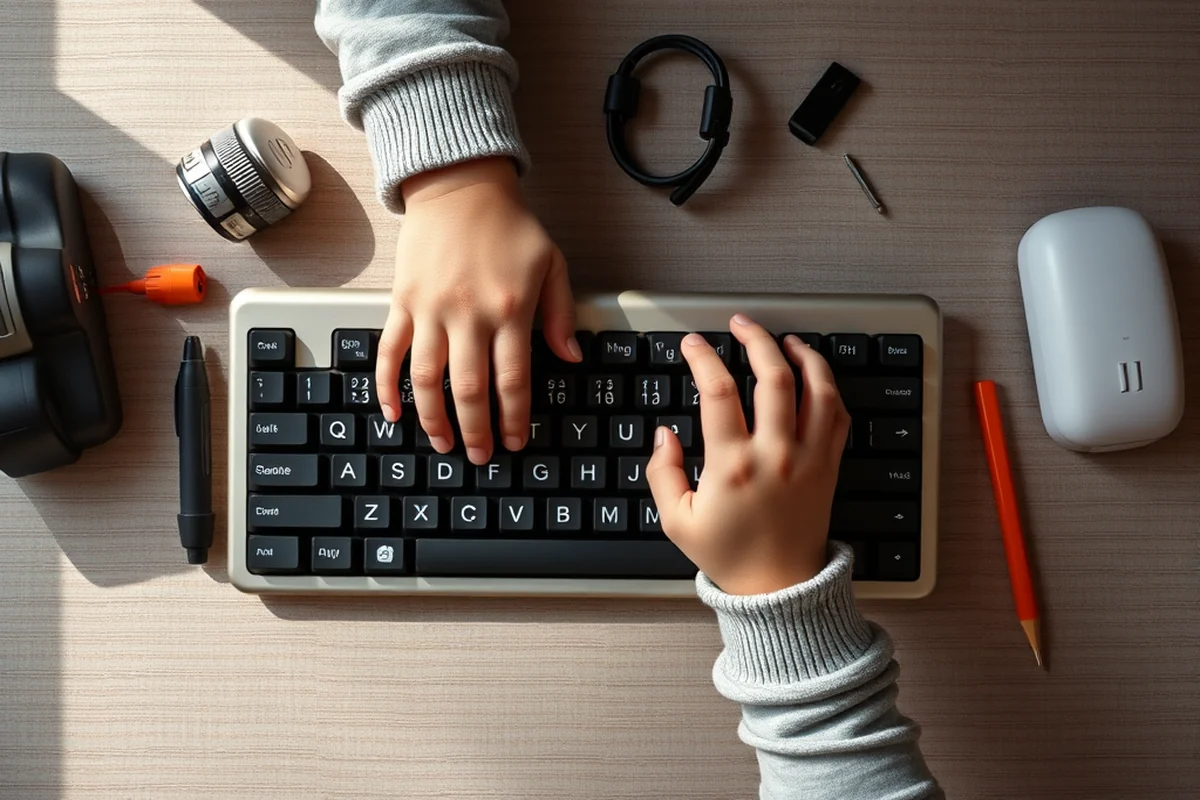
If your toddler is only smashing keyboards and not engaging in other forms of play, it could be a sign of a lack of stimulation or an underlying developmental issue. I've noticed that when my daughter was going through this phase, she was also very interested in other activities — like drawing or building with blocks.
However, if your child is only interested in the keyboard and ignores other toys or activities, it could be a sign that they're not getting enough sensory input. I've found that providing a variety of stimulating activities is key to preventing this from becoming a problem.
If the behavior is accompanied by other signs like difficulty communicating or a lack of interest in social interaction, it's worth talking to a pediatrician. In most cases, though, it's a normal part of development.
The Benefits of the Keyboard Smash
I've noticed that my daughter has developed better fine motor skills since this phase started. Her hand-eye coordination has improved, and she's been able to pick up and manipulate small objects more easily. It's like she's been doing finger exercises all day long.
This phase also helps her develop problem-solving skills. She learns that pressing a key can produce a sound or a letter, and she starts to understand cause and effect. It's like a mini version of learning to use a computer — but with a toddler's touch.
I've also noticed that this phase helps her explore her environment in new ways. She's started to ask more questions about how things work, and she's more interested in learning about cause and effect in general.
How to Handle the Chaos
One of the most effective strategies I've found is to set clear boundaries. I tell my daughter that she can play with the keyboard when I'm not working, and I keep the child-friendly keyboard in a designated area. I also set a time limit — like 10 minutes — and we take turns pressing the keys.
Another strategy is to use a timer or a visual cue. I've found that setting a timer and telling her, 'We have 10 minutes to play with the keyboard,' helps her understand the rules and keeps the behavior from becoming excessive.
I've also found that providing a variety of activities to choose from helps her manage her energy better. If she's bored and wants to play with the keyboard, I offer her a choice — she can either play with the keyboard or choose a different activity like drawing or building with blocks.
Set boundaries and provide alternatives — it's the best way to manage the chaos.
When to Seek Help
If your toddler is only interested in the keyboard and ignores other activities, it could be a sign of a lack of stimulation or an underlying developmental issue. In my experience, this is rare, but it's worth considering if the behavior persists for more than a few months.
I've found that the best approach is to keep an eye on the behavior and provide a variety of stimulating activities. If your toddler is interested in the keyboard, it's probably because they're learning and exploring — and that's a good thing.
🧸 Gentle Approach
This method focuses on redirecting the behavior with patience and positive reinforcement.
🚀 Fast-Track Solution
This method involves using quick, easy solutions like child-friendly keyboards to manage the behavior.
🧳 Travel/away-from-home
This method involves using travel-friendly tools and strategies to manage the behavior on the go.
👶 Multiples
This method is designed for parents with more than one toddler and focuses on managing the behavior in a shared environment.
🔄 Regression Reset
This method is used when the behavior returns after a period of calm and involves a structured approach to manage it again.
| The mistake | Why it happens | The fix |
|---|---|---|
| Trying to stop the behavior with force or shouting. | This can make your toddler more curious about the keyboard and increase the behavior. | Use redirection and provide alternatives instead of trying to stop the behavior with force. |
| Ignoring the behavior completely. | This can lead to your toddler becoming more interested in the keyboard and less interested in other activities. | Provide a variety of stimulating activities and set clear boundaries. |
| Buying a child-friendly keyboard but not keeping it in a safe place. | This can lead to the keyboard being damaged or the behavior continuing in an uncontrolled way. | Keep the keyboard in a designated area where you can supervise your toddler's use of it. |
| Not using a timer or setting clear boundaries. | This can lead to the behavior becoming excessive and difficult to manage. | Use a timer or set clear boundaries to help your toddler understand the rules. |
Toddler Keyboard Smash
Common Questions
How long does the 'toddler keyboard smash' usually last?
Is the 'toddler keyboard smash' a sign of a developmental issue?
What are some alternatives to the keyboard?
Can I use a timer to manage the behavior?
References
- Exploring user usability perceptions and acceptance of chording ... (sciencedirect.com)
- Helping Toddlers Develop Self-Control From 24-36 Months | ZERO TO THREE (zerotothree.org)
Cite this guide
Steadytoddler (2026). Toddler Keyboard Smash. https://steadytoddler.com/toddler-keyboard-smash/
Feel free to cite or share this guide.