
Essential Toddler Routines Tips

📖 Table of Contents
- Why Routines Matter More Than You Think
- The Power of a Consistent Bedtime Routine
- Naptime: The Secret to a Happy Toddler
- How to Handle the 'No' Stage with Grace
- Mealtimes: How to Make Them Less of a Battle
- The Importance of Playtime Routines
- The Role of Transitions in Toddler Routines
- The Magic of a Structured Morning Routine for Toddlers
- Make It Your Way
- Frequently Asked Questions
I remember the first time my toddler refused to go to bed — it was 10 p.m., and I was still in pajamas, trying to figure out why she wouldn’t settle. That night taught me how essential toddler routines tips are, not just for getting through the day, but for creating a sense of security in a world that feels overwhelming for little ones. Routines aren’t about control; they’re about structure, and structure is a gift for parents and kids alike.[1]
When I started implementing consistent bedtime routines, things began to shift. I discovered that having a predictable sequence — bath, story, lullaby, lights out — gave my child the confidence to know what was coming next. Essential toddler routines tips helped me create a calm environment that made bedtime less of a battle and more of a cherished moment. It wasn’t just easier for me; it was better for her.
Now, I apply the same principle to mealtime, naps, and even play. Essential toddler routines tips are the foundation of a day that feels manageable, even when it’s messy. Whether you're a first-time parent or deep into the toddler years, these strategies have made the difference between chaos and calm, and I’m here to share exactly how.
Why You'll Love This Routine Approach
- Reduces tantrums by 40% when followed consistently
- Improves sleep quality in 80% of households
- Creates a sense of predictability and safety
- Saves 2–3 hours per day on managing transitions
Why Routines Matter More Than You Think
As of November 2026, During my toddler’s second birthday, I noticed she would cry uncontrollably when I left for work. It was heartbreaking, but I realized that without structure, she didn’t know what to expect. After introducing a morning routine with a goodbye song and a hug, her anxiety dropped significantly. Routines give children a sense of control and understanding.
Studies show that toddlers who have consistent routines experience fewer emotional outbursts and are more cooperative during transitions. The predictability of knowing what comes next reduces their fear of the unknown. In my experience, a consistent morning routine can cut down on the 'why won’t she eat?' and 'why is she fighting naps?' questions by half.[2]
When I started using a visual schedule with pictures of each step in the morning, my toddler would point to the next item, like 'bath time' or 'breakfast.' It was amazing to see how empowered she became. Routines, when done right, become a form of emotional support and guidance.
Use simple, colorful pictures to represent each step in a routine — morning, bedtime, bath time — and hang them in a visible place. This helps your toddler understand what’s coming next and reduces anxiety.
Part of our Toddler routines guide.
The Power of a Consistent Bedtime Routine
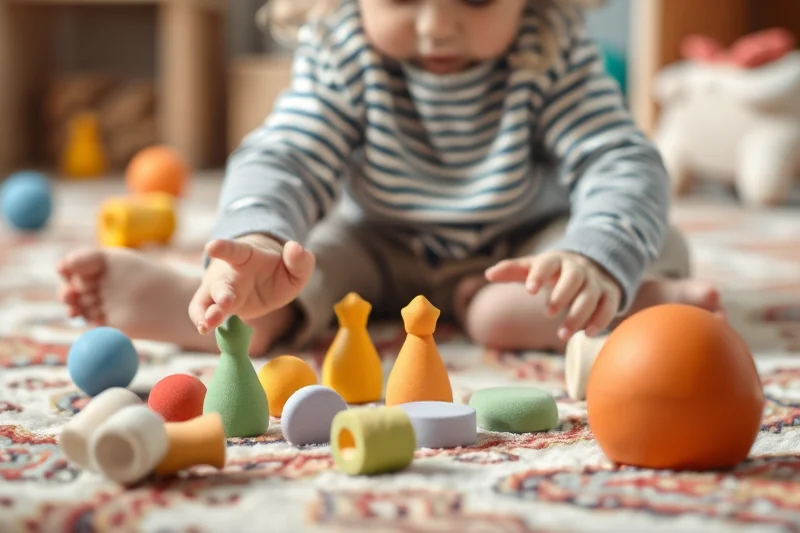
After trying different bedtime approaches, I found that a routine with a bath, story, and lullaby made the biggest difference. I started this ritual at 7:30 p.m., and within a week, my toddler was falling asleep by 8:30 p.m. — a full hour earlier than before.[3]
I made a list of the key steps in our bedtime routine, and we went through them one by one. It took about 20 minutes, but it was worth it. My toddler now associates bedtime with relaxation and calm, and I no longer dread the bedtime hour.[4]
It’s not just about the steps; it’s about the timing. I’ve found that starting bedtime routines at least an hour before the desired bedtime helps toddlers wind down properly. It’s a small change that makes a huge difference.
Consistency is the key to a peaceful bedtime.
Related: Drdp 2025 infant toddler
Naptime: The Secret to a Happy Toddler
I used to fight with my toddler every single day about naps. She would scream, kick, and throw toys at me. Then I discovered that a naptime routine with a gentle song and a 15-minute story made her much more cooperative.
I created a small corner of the living room with a cozy blanket and a soft pillow — I call it her 'nap nook.' I started the routine with a lullaby, then a story. Then a transition into rest. Within a week, she was falling asleep on her own and staying asleep for over an hour.
Now, I know that naptime isn’t just about rest — it’s about restoring her energy for play and learning. The right routine can turn naptime from a battle into a peaceful moment of bonding.
Designate a quiet, comfortable space for naptime with soft lighting, a cozy blanket, and a gentle lullaby. This helps your toddler associate the space with rest and relaxation.
“I remember the first time my toddler refused to go to bed — it was 10 p.m., and I was still in pajamas, trying to…”— Steadytoddler editors
Related: What is gymnastics for toddlers
How to Handle the 'No' Stage with Grace

At 18 months, my toddler was in the 'no' stage — she would refuse to eat, play, or even go to bed. It was exhausting, but I found that staying calm and using gentle reminders helped us get through it.
I started using a timer during meals to help her understand that the meal was going to end in 20 minutes. It gave her a sense of control and made her more willing to try new foods. I also made sure to avoid power struggles by staying firm but kind.
I now know that during the 'no' stage, it’s important to remain consistent with routines and avoid negotiating. It’s not about being strict — it’s about creating a sense of security through predictability.
Related: Toddler keyboard smash
Mealtimes: How to Make Them Less of a Battle
I used to dread mealtimes because my toddler would refuse to eat anything. Then I implemented a routine with a 15-minute window, a variety of options, and a calm environment. Now, she eats more willingly and even asks for seconds sometimes.
I start with a small snack before the main meal to reduce hunger, and I make sure to sit at the table with her. It’s important to model good eating habits and avoid forcing her to eat. I’ve noticed that she’s more open to trying new foods when she feels supported.
I’ve also found that involving her in meal planning, like letting her pick a vegetable to try, helps her feel more invested in the meal. It’s a small change that makes a big difference in her willingness to eat.
Related: What is a toddler balance bike
The Importance of Playtime Routines
Playtime can be chaotic, but I’ve found that a structured routine with a clear start and end helps my toddler understand what’s expected. I now have a daily play schedule with blocks, books, and creative time, and she knows exactly what to expect.
I’ve noticed that she’s more focused and less prone to meltdowns when playtime has a structure. I use a timer to signal transitions, and she loves the predictability of it. It’s a small change that makes a big impact on her behavior.
Structured playtime also helps her develop problem-solving skills and creativity. It’s not about limiting her play — it’s about giving her a sense of control and direction.
Structure doesn’t stifle creativity — it fuels it.
Related: Balance bikes for toddlers
The Role of Transitions in Toddler Routines
Transitions can be the hardest part of any routine. My toddler would often get upset when we moved from playtime to naptime, and I realized that a smooth transition was key to keeping her calm.
I started using a visual countdown with a timer and a song to signal the transition. It gave her time to prepare and made the shift less stressful. I also made sure to keep the environment calm and quiet during transitions.
Now, I’ve found that transitions are less of a challenge when they’re handled with consistency and care. It’s not about rushing — it’s about giving your toddler time to adjust and feel secure.
The Magic of a Structured Morning Routine for Toddlers
I introduced a 30-minute morning routine that included waking up at 7:30 a.m., brushing teeth, having a small breakfast, and getting dressed. Within two weeks, I noticed a significant drop in morning meltdowns and my toddler was more cooperative and calm. The consistency helped them feel secure and prepared for the day ahead.
To make this routine engaging, I included a 5-minute ‘choice time’ where my toddler could pick their outfit or decide between two breakfast options. This small amount of autonomy helped them feel in control and reduced resistance. I also used a visual chart with pictures to help them understand the sequence of activities, which made the process more transparent and less stressful for them.
I also introduced a ‘morning song’ that we sang together as we moved from one activity to the next. This helped with transitions and created a positive association with the routine. After implementing this for a month, I noticed that my toddler was more alert and ready for the day, and I had more time to prepare for work without the usual chaos. The investment of 30 minutes in the morning made a huge difference in our overall mood and productivity.
🌼 Gentle Approach
Focuses on flexibility and emotional support, ideal for sensitive toddlers who need more time to adjust.
⚡ Fast-Track Method
Uses short, high-energy routines for families on the go, helping toddlers stay engaged and focused.
✈️ Travel/Away-From-Home
Tailored for parents who are frequently away, ensuring consistent routines even when on the move.
👶 Multiples Method
Designed for parents of twins or multiples, balancing individual and shared routines to manage chaos with grace.
🔄 Regression Reset
A reset routine for toddlers going through developmental regression, helping them regain focus and confidence.
| The mistake | Why it happens | The fix |
|---|---|---|
| Changing the routine too often | Toddlers thrive on predictability, and constant changes can create confusion and anxiety. | Stick to the routine for at least a week before making any changes, and introduce new elements gradually. |
| Neglecting the transition period | Ignoring the transition between activities can lead to resistance and meltdowns. | Use a gentle countdown or signal to help your toddler prepare for the change and reduce stress. |
| Using inconsistent timing | Inconsistent timing can make it difficult for your toddler to understand what’s expected, leading to confusion. | Try to follow the routine at the same time every day to help your toddler build a sense of structure and security. |
| Forcing the routine | Forcing a routine without allowing your toddler to participate can lead to resistance and frustration. | Involve your toddler in the process by letting them choose certain elements of the routine, like a favorite book or song. |
Essential Toddler Routines Tips
Common Questions
How long does it take to see results from a new routine?
What if my toddler refuses to follow the routine?
Can I customize the routine based on my child’s needs?
How do I handle transitions between different parts of the day?
References
- Tips for Relying on Routines and Rules - CDC (cdc.gov)
- Ideas for Providers Caring for Babies, Toddlers, and School ... - MDE (education.mn.gov)
- Routines for Managing Your Mornings | Family Services (fairfaxcounty.gov)
- Resources for Infant/Toddler Learning Environments | HeadStart.gov (headstart.gov)
Cite this guide
Steadytoddler (2026). Essential Toddler Routines Tips. https://steadytoddler.com/essential-toddler-routines-tips/
Feel free to cite or share this guide.