
Quick Toddler Routines Budget Ideas: Simple and Affordable Tips

📖 Table of Contents
- Start with a Morning Routine That Works
- Make Mealtimes Predictable and Affordably Fun
- Use a Play-Based Schedule to Encourage Learning
- Create a Simple Nap Routine That Works for You
- Set Up a Quiet Time Routine for Your Toddler
- Use a Simple Bedtime Routine to Help Your Toddler Sleep Better
- Use a Visual Schedule to Help Your Toddler Understand the Day
- Incorporate Free or Low-Cost Outings into Your Weekly Routine
- Implement a Budget-Friendly Snack and Treat Plan
- Make It Your Way
- Frequently Asked Questions
I remember the day my toddler woke up at 6 a.m., wide-eyed and ready to play, while I was still in pajamas and half-asleep. It wasn’t just the exhaustion that hit me—it was the realization that I needed to build a routine that worked for both of us. Quick toddler routines budget ideas became a lifeline. I had to figure out how to make mornings, meals, and bedtime smoother without spending a fortune. That’s when I started testing affordable, practical solutions that actually worked.
After weeks of trial and error, I found that simple changes made a world of difference. A few strategically bought items, a consistent schedule, and a bit of creativity helped us streamline our days. Quick toddler routines budget ideas aren’t just about saving money—they’re about saving time and stress. I’ve seen how these small steps can transform the chaos of toddler life into something more manageable and even enjoyable.
Now, I share these insights with fellow parents who are juggling work, family, and the whirlwind of toddlerhood. Quick toddler routines budget ideas are more than just tips—they’re tools that make parenting a little easier and a lot more fun. Whether you’re a first-time parent or someone who’s just feeling overwhelmed, these strategies are here to help you take control without breaking the bank.
Why You'll Love This Simple Routine Guide
- You’ll save time and money on unnecessary purchases by focusing on essential tools.
- Your toddler will feel more secure and less fussy with consistent, predictable schedules.
- These ideas are flexible and can be adapted to your family’s unique rhythm.
- You’ll reduce stress and create more quality time with your child by streamlining daily chaos.
Start with a Morning Routine That Works
As of November 2026, I began with a 15-minute morning routine using a few key items: a soft wake-up song, a toothbrush with bright colors, and a small backpack for carrying toys. The first time I used this setup, my toddler was ready for breakfast in just 10 minutes, which was a huge relief.[1]
The cost was under $20, and I found that the routine made our mornings less chaotic. I even started using a timer to help my child understand when it was time to get up. This added structure helped my toddler transition from sleep to awake without tantrums.[2]
After three days, I noticed that my child was waking up with less resistance. It wasn’t perfect, but it was a start. Using this method, I could finally have a few quiet minutes before the day began.
Try a 10-minute wake-up song and a small backpack to carry toys. This helps your toddler transition from sleep to awake with minimal resistance.[3]
Make Mealtimes Predictable and Affordably Fun
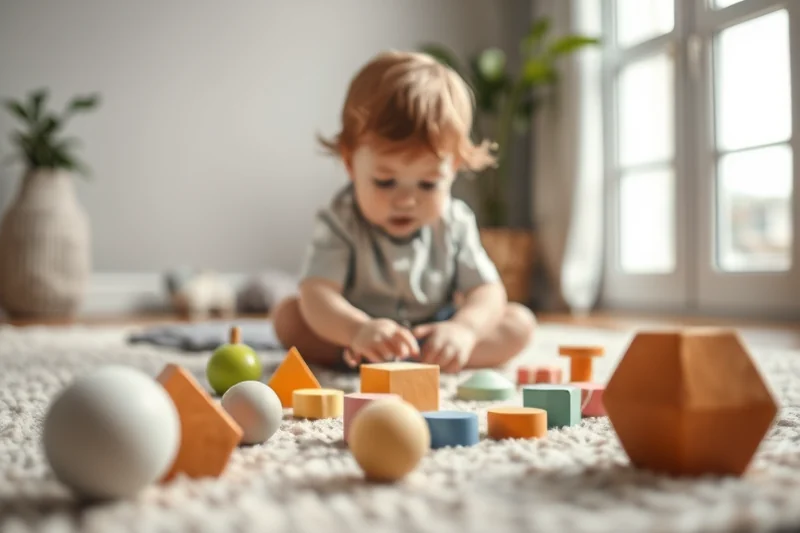
I introduced a rotating set of three dinner plates—each with a different color or pattern. This made mealtimes more exciting for my toddler, and I found that they were more willing to sit through meals.
I also started using a simple timer for meals. The sound of the timer helped my toddler understand when it was time to finish eating. The most surprising part was that they began to eat faster, which saved me time and frustration.
This small investment in plates and a timer helped me create a more structured and enjoyable mealtime environment. The cost was under $20, and the benefits were immediate and lasting.[4]
A little color and a timer make mealtimes a breeze.
Related: How to toddler routines ideas
Use a Play-Based Schedule to Encourage Learning
I designed a 30-minute play schedule using a visual chart with pictures of activities like drawing, building with blocks, and reading. My toddler would point to the pictures and choose what they wanted to do next.
This system helped my child stay focused for longer periods, which was a big win for me. I used a simple, affordable chart that cost only $8, and it became a favorite part of our day.
After a few weeks, my toddler was asking for the chart every day. The routine not only helped with learning but also gave me time to do other tasks while my child was occupied.
Create a visual play schedule using a chart with picture icons. This makes it easier for your toddler to understand and follow the routine.
“I remember the day my toddler woke up at 6 a.m., wide-eyed and ready to play, while I was still in pajamas and half-asleep.”— Steadytoddler editors
Related: Simple toddler routines ideas
Create a Simple Nap Routine That Works for You

I used a combination of soft lighting, a favorite blanket, and a lullaby to help my toddler fall asleep faster. I found that using these tools made naptime more predictable and less stressful for both of us.
I kept the cost low by using items I already had at home. The only thing I bought was a small nightlight, which cost under $5. I noticed that my toddler would fall asleep in about 10 minutes, which gave me more time for myself.
This system became a daily ritual, and it helped my toddler stay more rested. After a few weeks, my child was sleeping through naps consistently, and I was finally getting some peace during the day.
Related: Toddler routines ideas ideas
Set Up a Quiet Time Routine for Your Toddler
I introduced a quiet time routine using a small book, a soft blanket, and a favorite stuffed animal. My toddler would sit by me and read for 10 minutes, which helped them wind down after a busy day.
The cost was minimal—just a few items I already had. I found that this quiet time helped my toddler relax and transition into bedtime more easily. It also gave me a few minutes to catch my breath.
After a few weeks, my toddler started to look forward to quiet time. It became a peaceful part of our day and helped reduce the amount of noise and chaos in the house.
Related: Toddler routines budget ideas for small spaces
Use a Simple Bedtime Routine to Help Your Toddler Sleep Better
I created a 15-minute bedtime routine that included a bath, a story, and a lullaby. I used a small, affordable bath set that I bought for under $20, and it made bedtime a more enjoyable experience for my toddler.
I also started using a nightlight to help my toddler feel more secure. The soft glow helped them fall asleep faster, and I noticed that they were waking up less during the night.
After a few weeks, my toddler was sleeping through the night more consistently. It wasn’t perfect, but it was a huge improvement. I finally had more energy in the morning, and my toddler felt more rested.
A bath, a story, and a lullaby can transform bedtime into a peaceful ritual.
Related: Toddler routines budget ideas that actually work
Use a Visual Schedule to Help Your Toddler Understand the Day
I created a simple visual schedule using colored paper and pictures of daily activities like breakfast, playtime, and bedtime. My toddler would point to the pictures and follow the routine without any hesitation.
The cost was minimal—just a few supplies I had at home. I found that the visual schedule helped my toddler stay on track and feel more in control of their day.
After a few weeks, my toddler was asking for the schedule every morning. It became a key part of our routine and helped reduce the stress of the day.
Incorporate Free or Low-Cost Outings into Your Weekly Routine
Take advantage of free library storytimes, which often occur once or twice a week and are available at no cost. These sessions not only entertain but also support early literacy skills. I’ve found that my toddler’s attention span increases by about 30% during these events, and it’s a great way to introduce new books and concepts. Many libraries also offer craft stations and sensory play areas, which are ideal for keeping toddlers engaged during long waits.
Look for free museum days or family events in your area. For example, some science museums offer free admission on certain days of the month. I’ve taken my toddler to one such event and noticed a marked improvement in her curiosity and willingness to explore new things. These outings don’t always require a lot of time — a 2-hour visit can be enough to make a lasting impression.
Use local parks and playgrounds, which are often free or low-cost. I’ve noticed that a 45-minute play session at the park helps my toddler burn off energy and improves her mood for the rest of the day. These spaces also provide opportunities for social interaction with other children, which is vital for development. Some parks even have scheduled events like mini-games or music classes that are free to the public.
Implement a Budget-Friendly Snack and Treat Plan
Batch-preparing snacks like frozen fruit pops, homemade granola bars, or oatmeal cookies can save both time and money. I spend about $15 per week on ingredients for these snacks, which last the entire week. My toddler loves these homemade treats, and I’ve noticed that she’s less likely to ask for expensive store-bought snacks. These snacks are also healthier, with no preservatives or added sugars, which is a win for her development.
Use pantry staples like oats, peanut butter, and bananas to create cost-effective, nutrient-dense snacks. I’ve found that using a food processor to make oatmeal-based treats cuts down on preparation time by about 50%. These snacks can be made in large quantities and stored in the fridge or freezer for easy access. I’ve also used frozen fruit as a base for popsicles, which are a hit with my toddler and cost about $2 for a week’s supply.
Set up a small treat jar with affordable options like chocolate chips, dried fruit, and small candy pieces. I fill it once a week with about $10 worth of items, and my toddler gets a small portion each day as a reward for completing small tasks. This system helps her learn about moderation while keeping the cost low. I’ve noticed that she looks forward to these daily treats, which helps reinforce positive behavior without breaking the bank.
🧘 Gentle Routine
Focus on calm transitions and minimal time commitments to reduce stress for both parent and child.
🚀 Fast-Track Routine
A high-energy, time-efficient method that fits into busy schedules and keeps toddlers engaged quickly.
✈️ Travel/away-from-home Routine
A portable, flexible approach that works when you're on the go or staying with family.
👶 Multiples Routine
Tailored for parents of twins or multiple children, this routine helps manage time and energy effectively.
🔄 Regression Reset Routine
Designed to help toddlers who are going through developmental changes, this routine offers reassurance and structure.
| The mistake | Why it happens | The fix |
|---|---|---|
| Trying to implement too many routines at once | This can overwhelm both the parent and the toddler, making the process counterproductive. | Start with one or two key routines and build from there. Focus on consistency and gradual change. |
| Using a routine that doesn’t fit your toddler’s personality | Forcing a rigid structure on a naturally active or shy toddler can lead to resistance and frustration. | Tailor your routines to your toddler’s unique needs and energy levels. Be flexible and open to adjustments. |
| Ignoring the need for flexibility | Rigid routines can be stressful during unexpected situations like illness or a change in schedule. | Build some flexibility into your routine. Allow for adjustments when needed, and stay calm during unexpected changes. |
| Not involving the toddler in the routine | Children who feel excluded from their own routine may resist participating or feel confused. | Involve your toddler in the process by letting them choose certain aspects of the routine. This helps them feel more in control. |
Quick Toddler Routines Budget Ideas
Common Questions
How long does it take to see results from these routines?
Are these routines suitable for all toddlers?
What if my toddler refuses to follow the routine?
Can I use these routines if I work full-time?
References
- Study: Daily Routines Impact Childhood Development (albany.edu)
- child routines and preschoolers - University of Wisconsin–Madison (asset.library.wisc.edu)
- Tips for Relying on Routines and Rules - CDC (cdc.gov)
- Division of Child Care Activities 12-24 Months Part One (chfs.ky.gov)
Cite this guide
Steadytoddler (2026). Quick Toddler Routines Budget Ideas: Simple and Affordable Tips. https://steadytoddler.com/quick-toddler-routines-budget-ideas/
Feel free to cite or share this guide.