
Best Toddler Routines for Each Developmental Stage

📖 Table of Contents
- 0–12 Months: The Foundation of Routine
- 12–18 Months: The Toddler Awakening
- 18–24 Months: The Emergence of Self-Expression
- 24–36 Months: The Leap into Independence
- 36–48 Months: The Toddler Becomes a Preschooler
- 48–60 Months: The Toddler Becomes a Child
- 60+ Months: The Transition to School
- Make It Your Way
- Frequently Asked Questions
When my daughter turned two, I found myself in a whirlwind of inconsistency and confusion. Our once-predictable days had turned into a rollercoaster of tantrums, missed naps, and late dinners. It was during this phase that I realized there was no one-size-fits-all solution — only routines tailored to the exact developmental stage of my toddler. That’s when I started digging into what the best toddler routines for each developmental stage actually looked like.
The search for the best toddler routines for each developmental stage didn’t come from a book or a parenting guru. It came from trial, error, and a lot of late nights with a sleep-deprived toddler. I learned that toddlers don’t just follow routines — they thrive on structure that matches their growing brain and body. Whether it was adapting to a new skill, managing a sudden burst of energy, or coping with separation anxiety, each stage demanded a different kind of rhythm.
The key to navigating toddlerhood with any sense of calm is understanding that the best toddler routines for each developmental stage are not about controlling your child — they’re about guiding them with empathy and consistency. Once I embraced this mindset, I saw a shift. My daughter started sleeping better, eating more, and even began to self-regulate her emotions in ways I hadn’t thought possible. That’s the power of a well-tailored routine.
Why You'll Love This Approach
- Tailored routines that match your toddler’s developmental stage
- Reduces tantrums and increases emotional regulation
- Boosts sleep and mealtime consistency
- Empowers your child with a sense of predictability
0–12 Months: The Foundation of Routine
As of November 2026, from the moment my son was born, I made it a point to create a predictable day for him. I knew that the best toddler routines for each developmental stage didn’t start with toddlers — they started with babies. My son had a feeding schedule, a nap schedule, and even a bedtime routine by the time he was four months old. I used a white noise machine and a fixed bedtime of 7 p.m., and it worked wonders for his sleep and my sanity.
I remember the first time I shifted his bedtime from 8 p.m. To 7 p.m. It was hard at first, but within three days, he was sleeping through the night again. That was the first shift — and it made all the difference. The key was consistency. Even if we were out of the house, we kept the same timing for feeds and naps, just with a bit more flexibility.
During this stage, I found that simple, sensory-rich rituals like swaddling, singing lullabies, and using a consistent blanket helped him feel safe and secure. These became the building blocks for a routine that would carry into toddlerhood and beyond.
Use blackout curtains and a white noise machine to help your baby sleep better. This sets the tone for future toddler routines.
Part of our Toddler routines by age stage guide.
12–18 Months: The Toddler Awakening
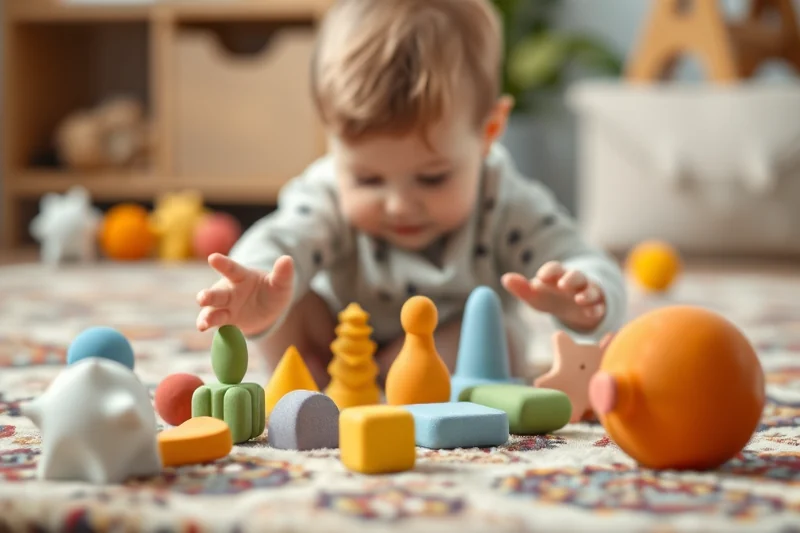
By the time my daughter turned one, she was no longer a baby — she was a toddler. And with that came a new kind of energy and will. The best toddler routines for each developmental stage now had to include more flexibility, but also more guidance. I started giving her more choices, like picking her own shirt or selecting a snack from a small basket.
I also noticed that she was beginning to resist naps. She would protest when I tried to put her down, and her sleep started getting shorter. To help her transition, I introduced a ‘nap time’ routine that included reading a book and playing with a soft toy. Within a few weeks, she was taking naps again — and she was happy about it.
This stage is full of change, but with a little patience and a well-planned routine, you can help your toddler navigate this new phase with ease.
Give them choices — it builds confidence, not chaos.
Related: Toddler routines by age stage for beginners
18–24 Months: The Emergence of Self-Expression
My daughter was 19 months old when she started expressing her emotions in full force. She would throw tantrums over the simplest things — a mismatched sock, a missing toy, or even the color of the cereal on her plate. The best toddler routines for each developmental stage now had to include time and space for her to process her feelings without being overwhelmed.[1]
I created a ‘feelings corner’ in our home where she could sit and calm herself down. We would use a feelings chart and a soft blanket to help her identify her emotions. This not only helped her regulate herself but also gave me the tools I needed to respond with empathy instead of frustration.
I also started involving her in the routine. We began to use simple language to talk about the day and what was coming next. This helped her understand the flow of her day and reduced anxiety when transitions were needed.
Design a corner of the home with soft cushions and a feelings chart to help your toddler express themselves. This becomes a valuable tool in your routine.
“When my daughter turned two, I found myself in a whirlwind of inconsistency and confusion.”— Steadytoddler editors
Related: Toddler routines by age stage printable
24–36 Months: The Leap into Independence
When my daughter turned two, she was full of energy and eager to try new things. The best toddler routines for each developmental stage now had to include more opportunities for her to explore, but also more structure to keep her on track. I found that a ‘transition time’ routine was the key — a few minutes before a change of activity where we would prepare her for the next step.
For example, if it was time to leave the park, we would say, ‘In five minutes, we’ll be going home. Let’s count down together.’ This helped her feel in control and prepared for the change. I also started involving her in mealtime planning, letting her pick a fruit or a vegetable each week.
This phase is all about balance — giving your toddler the freedom to explore while still keeping a routine that supports their emotional and physical needs.
Related: Simple toddler routines by age stage
36–48 Months: The Toddler Becomes a Preschooler
At three years old, my daughter was becoming more aware of time, schedules, and expectations. The best toddler routines for each developmental stage now included preparing her for the structure of preschool. I introduced a visual schedule with pictures and times, which helped her understand what was coming next each day.
I also started involving her in more complex tasks, like tidying up her toys or setting the table. This not only helped her develop a sense of responsibility but also gave her a sense of accomplishment. We made a game out of it — each task earned her a sticker, and after a week, she could pick a small prize.
This stage is about building the skills that will help her succeed in preschool and beyond. With a well-planned routine, she was ready for the next step in her life.
Related: Toddler routines by age stage on a budget
48–60 Months: The Toddler Becomes a Child
By the time my daughter was five, she was no longer a toddler — she was a child. The best toddler routines for each developmental stage had evolved into a more structured schedule that supported her growth and learning. We started incorporating more time for homework, creative play, and social interaction.
I also began involving her in planning her week, which gave her a greater sense of control and responsibility. We would sit down together and decide what activities we wanted to do and what tasks we needed to complete. This helped her develop time management and organizational skills.
At this stage, it’s important to continue providing structure, but also to allow your child the freedom to explore and grow. A well-planned routine can help them transition smoothly into school and beyond.
Routine is not a cage — it’s a bridge to independence.
Related: Toddler routines stage tips
60+ Months: The Transition to School
By the time my daughter was six, she was ready for school — but not just in terms of academics. The best toddler routines for each developmental stage had now evolved into a more complex schedule that supported her physical, emotional, and academic needs. We started incorporating more time for reading, writing, and socialization.
I also began involving her in more complex tasks, like planning her day or setting goals for the week. This helped her develop a sense of responsibility and self-awareness. We made a game out of it — each task earned her a sticker, and after a week, she could pick a small prize.
This stage is about preparing your child for the next chapter in their life. With a well-planned routine, they can make the transition to school with confidence and ease.
🌿 Gentle Routine
A calm, flexible approach that prioritizes emotional needs and gentle transitions.
⚡ Fast-Track Routine
A streamlined schedule for busy parents, focusing on efficiency and consistency.
✈️ Travel/Away-from-Home Routine
A routine that adapts to life on the go, keeping your toddler grounded even when away from home.
👶 Multiples Routine
A tailored approach for parents of twins or multiples, balancing individual needs with shared schedules.
🔄 Regression Reset Routine
A reset plan for when your toddler experiences a developmental setback, helping them reestablish healthy habits.
| The mistake | Why it happens | The fix |
|---|---|---|
| Being too rigid with the routine | Toddlers need flexibility to adapt to their changing needs and emotions. | Allow for small adjustments and remain open to changes based on your toddler’s behavior. |
| Ignoring the toddler’s emotional needs | Emotional regulation is crucial for a successful routine. | Create a safe space for your toddler to express their feelings and model calm behavior. |
| Trying to implement too many changes at once | This can overwhelm your toddler and lead to resistance. | Introduce changes gradually and focus on one aspect of the routine at a time. |
| Not involving the toddler in the routine | Toddlers need to feel involved and empowered in their daily structure. | Include your toddler in planning and decision-making to increase their sense of ownership. |
Best Toddler Routines Stage
Common Questions
How do I introduce a new routine to my toddler?
What should I do if my toddler resists a new routine?
How long does it take for a toddler to adjust to a new routine?
Can I mix and match different routine styles?
References
Cite this guide
Steadytoddler (2026). Best Toddler Routines for Each Developmental Stage. https://steadytoddler.com/best-toddler-routines-stage/
Feel free to cite or share this guide.